The short answer
Buy a metal puck screen if your goal is a cleaner shower screen - that benefit is certain, and the screen is reusable. Buy paper filters if your basket has no headspace to spare, because a paper disc is a fraction of a millimeter against 1.7 mm of steel, and a 300-sheet pack is the cheapest way to test the idea. Paper also absorbs some oils, which is the one effect on the cup that genuinely differs between the two. But neither reaches clumps inside the coffee bed, so if your shots channel, buy a needle tool first - it costs less than either and works on the part of the puck that causes the problem.
What each one is actually for
Both sit on top of the puck, which makes them look like competing solutions to the same problem. They are not.
- A metal screen is mostly about the machine. It takes the contact with the coffee so the shower screen stays clean. Reusable, 1.7 mm thick in the common version.
- A paper disc is mostly about the puck. It takes almost no headspace and absorbs some oils. Single use, and a fraction of a millimeter thick.
- Both are claimed to spread water more evenly. That is the manufacturer's claim in each case, not an independently verified result.
- Neither touches the inside of the bed. Whatever is clumped below the surface stays clumped.
Scroll the table sideways to see every column.
Quick picks
The answer first. Tap any row to jump to the full reasoning for that pick.
| # | Product | Best for | Award | Price |
|---|---|---|---|---|
| 1 | 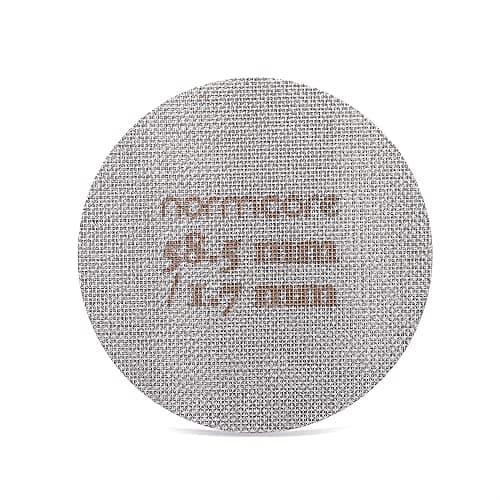 | Keeping the group head clean, on a machine with headspace to spare | Best if you want a cleaner machine | |
| 2 | 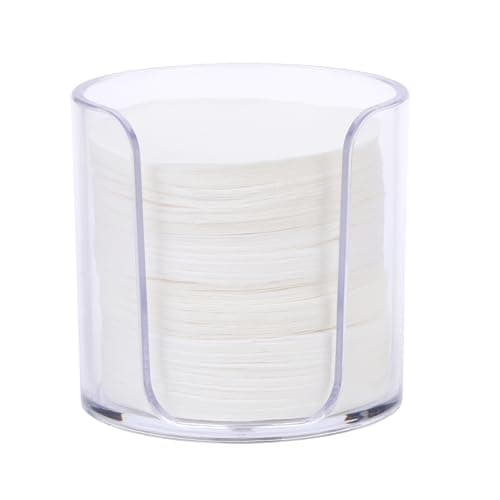 | Machines with no headspace to spare, and anyone wanting to test the idea cheaply | Best if headspace is tight | |
| 3 | 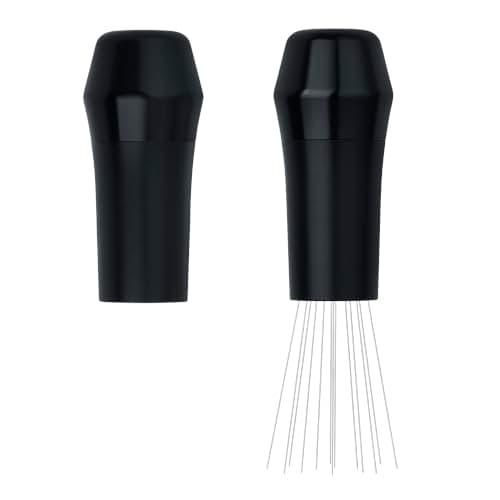 | Anyone whose actual problem is channeling | Buy this first instead |
1. Best if you want a cleaner machine
Normcore Puck Screen 58.5 mm
Entry tier · A 1.7 mm stainless mesh disc that sits on top of the puck in a 58 mm basket.
Reusable 316 stainless mesh. The shower-screen benefit is the one nobody disputes.
A puck screen is a metal mesh disc that sits on top of the coffee. This one is 58.5 mm for standard 58 mm baskets, 1.7 mm thick, 316 stainless, with a 150-micron mesh.
Its certain benefit is mechanical rather than extractive: the screen takes the contact with the coffee, so far less coffee ends up on the machine's shower screen. That means less frequent wiping and less of the gunk that builds up behind the group.
Normcore also states it improves water distribution and reduces channeling. That is the manufacturer's claim rather than an independently verified result, and it is worth treating as such - the cleanliness benefit is the one you can see.
It is reusable, so there is no running cost after the purchase. 316 stainless is made for daily contact with hot water and coffee, so it will outlast the machine.
The real cost is headspace. 1.7 mm is a meaningful fraction of the gap between puck and shower screen, so the dose may need to come down - and it is one more part to rinse after every shot. The full puck screen question covers the thin magnetic alternatives.
Specification
- Diameter
- 58.5 mm, for standard 58 mm baskets
- Thickness
- 1.7 mm
- Mesh
- 150 microns (silver); 100 microns on the titanium PVD version
- Material
- 316 stainless steel
What it does well
- Keeps the shower screen noticeably cleaner, which is the one benefit nobody disputes
- Normcore says it improves water distribution and reduces channeling
- 316 stainless is made for daily contact with hot water and coffee
Where it gives ground
- 1.7 mm of screen takes headspace in the basket, so the dose may need to come down
- One more part to rinse after every shot
- It does nothing about clumps inside the bed - that is a WDT tool's job
Skip it if
Skip it if your basket already has little headspace at your usual dose, or if you would rather not add a part to the routine.
2. Best if headspace is tight
ELESTAB 58 mm Espresso Paper Filters
Entry tier · Single-use paper discs cut to sit on the puck in a 58 mm basket.
A fraction of a millimeter of paper instead of 1.7 mm of steel.
A paper filter for espresso is a single-use disc cut to the basket diameter. These are 58 mm, for standard 58 mm baskets, in a pack of 300 with a storage holder.
The number that matters is the thickness, and here it has to be sourced carefully. This pack does not publish one. For the order of magnitude, Normcore publishes 0.17 mm for its own espresso paper filters - roughly a tenth of a 1.7 mm metal screen - and filter paper of any brand sits in that territory. Either way a paper disc takes almost no headspace, so if your dose already fills the basket this is the version of the idea that fits.
Makers of these filters generally claim the paper helps spread water across the puck and reduce channeling; treat that as a manufacturer claim rather than a measured result. Paper also absorbs some oils where a metal mesh does not, which is the one genuinely different effect on the cup rather than on the machine.
A 300-sheet pack costs about what a bag of beans does, which makes it the cheapest way to find out whether any of this changes your shots. If it does nothing for you, you have spent very little.
It is single use, so there is a running cost and a step every single shot, and unlike a metal screen it does nothing to keep the shower screen clean on its own. Paper discs can also be fiddly to place on a wet puck.
Specification
- Diameter
- 58 mm, for standard 58 mm baskets
- Pack
- 300 sheets with a storage holder
- Material
- Paper - the listing does not state the pulp
- Thickness
- Not published for this pack
What it does well
- A paper disc is a fraction of the thickness of a 1.7 mm metal screen, so it costs almost no headspace
- 300 sheets and a storage holder for about the price of a bag of beans
- Cheap enough to find out whether anything on top of the puck changes your shots
Where it gives ground
- Single use, so there is a running cost and a step on every shot
- No thickness, pulp or filtration figure is published for it
- Nothing it does reaches clumps inside the coffee bed
Skip it if
Skip it if your main complaint is a dirty shower screen - that is the metal screen's job, not paper's.
3. Buy this first instead
Normcore WDT Tool V4
Entry tier · A retractable needle tool for breaking up clumps in the basket before tamping.
Neither disc reaches clumps inside the bed. A needle tool does.
If you are reading this page because your shots channel or taste uneven, this is the honest recommendation and it costs less than either option above.
Channeling usually starts with clumps and density differences inside the coffee bed. A disc on top of the puck - metal or paper - cannot reach any of that. It sits above the problem.
A needle tool stirs the grounds in the basket before tamping, breaking up clumps and evening out density. It works on the part of the puck that actually causes channeling, which is why it is the first accessory worth buying.
This one has nine needles in 0.3 mm and 0.4 mm sets with retracting needles, so it lives in a drawer without bending, and it comes in both 54 mm and 58 mm.
It adds a step to every shot and the needles eventually bend whatever you do. It also does nothing at all for filter coffee - see the WDT roundup and distribution tool versus WDT.
Specification
- Needles
- 9 needles; 0.3 mm and 0.4 mm sets included
- Material
- 304 stainless needles, anodized aluminum handle
- Mechanism
- Twist to extend or retract
- Sizes
- 54 mm and 58 mm
What it does well
- The cheapest meaningful improvement to an espresso shot, by some distance
- Retracting needles means it lives in a drawer without bending
- Two needle gauges cover fine and coarser grinds
Where it gives ground
- Adds a step to every single shot
- Needles will eventually bend whatever you do
- Does nothing at all for filter coffee
Skip it if
Skip it only if your distribution is already handled and the question really is about keeping the machine clean.
The headspace question decides it for most machines
Espresso needs a gap between the top of the puck and the shower screen. The puck swells when it is wetted, and if it presses hard against the shower screen the shot suffers.
A 1.7 mm metal disc uses a real share of that gap. On a machine and dose that already fill the basket, adding one means either reducing the dose or accepting a compressed puck - which is why thin magnetic screens at 0.2 mm and 0.8 mm exist at all.
Paper sidesteps this entirely - a disc that thin costs no measurable headspace. If you want to try something on top of the puck without re-dialing your dose, paper is the version that changes nothing else.
The one difference that reaches the cup
Metal mesh does not absorb anything. Paper does - it takes up some of the oils that would otherwise end up in the cup, in the same way a paper filter changes a pour-over relative to a metal one.
Whether that is an improvement is a preference. Oils carry body and some of the aroma; removing a little of them makes a shot read as slightly cleaner and slightly less heavy. On a dark, oily roast some people prefer it. On a light roast the effect is small.
Paper on the bottom of the basket is a separate idea with a different purpose - it is used to keep fines out of the shower screen and the machine's path from below. The discs here fit either position.
What neither of them fixes
Both products are sold heavily on reducing channeling, so this is worth being direct about: channeling is a problem of the bed, not of its surface.
Grounds come out of a grinder clumped, and clumps create density differences through the whole depth of the puck. Water finds the loose paths and runs through them. A disc on top can spread the incoming water a little more evenly, but it cannot unclump anything underneath it.
That is why the order of purchase for anyone with channeling is a needle tool, then a bottomless portafilter to see what is actually happening, and only then a screen or paper. The accessories hub takes the same position: the things we will not tell you to buy is honest about where puck-top accessories sit.