Best Overall
The 7 Best Coffee Grinders for Home (2026)
The main grinder shortlist: seven burr grinders matched to what you actually brew, plus one to avoid.
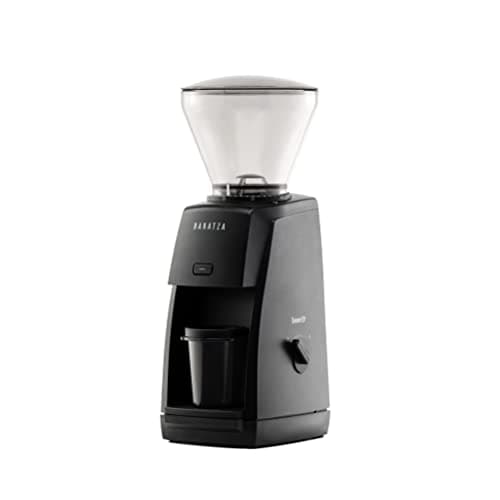
Top pick: Baratza Encore ESP
Crema & Grind
If one component in your setup is going to be the good one, make it this. Here is what burr size, shape and step resolution actually buy you.
Start here
Most people arrive here for one of two reasons. Pick the one that describes you.
Upgrading a setup
You already own the entry gear and one part of it is holding the rest back. Start with the picks below, then read how to dial in espresso before buying anything.
Buying for someone else
Coffee gear is unusually fitment-dependent, and the wrong size is unusable. Our gift guides are organized around what you do and do not know about their setup.
A grinder does one job: turn beans into particles of a consistent size. Everything else - the timer, the hopper, the color of the case - is packaging around that job. How well a grinder does it comes down to three specifications, and once you can read those three, most of the marketing on a grinder box becomes noise.
Bigger burrs cut more coffee per rotation, which means less time spent grinding and less heat transferred into the grounds. A 40 mm conical set and a 64 mm flat set can both produce good espresso; the 64 mm set will do it faster and cooler. Where size genuinely changes the cup is at the extremes - very small burrs on a hand grinder make an espresso dose slow, hot work, and that is why we push people toward 48 mm hand grinders when espresso is the goal.
Conical burrs produce a wider spread of particle sizes, which reads in the cup as body and sweetness. Flat burrs produce a narrower spread, which reads as clarity and separation. Neither is better in the abstract. If you drink espresso with milk, conical burrs are often more pleasant. If you drink light-roast filter and want to taste the origin, flats generally win. This is the single most useful distinction in the whole category and we have written it up properly in conical versus flat burrs.
This is where most grinders fail at espresso, and it is the specification manufacturers are least keen to publish plainly. Espresso lives in a narrow band of grind size, and moving between a shot that runs in 18 seconds and one that runs in 32 seconds can be a change of a few dozen microns. A grinder with forty clicks spread across its entire range - from espresso to French press - cannot land inside that band. That is precisely why the Baratza Encore ESP exists: it takes the Encore burr set and gives the first twenty clicks a resolution of about 20 microns each, reserving the coarse steps for filter. A stepless grinder sidesteps the problem entirely by letting you land anywhere, at the cost of never being able to write down where you were.
A hopper grinder holds beans above the burrs and grinds on demand. It is fast and convenient, and the beans in the hopper are going stale the whole time. A single-dose grinder takes exactly the beans you weigh in, which keeps everything else in a sealed bag and makes switching between coffees trivial - at the cost of a bellows, a dosing cup and about twenty extra seconds per brew. If you drink one coffee and drink a lot of it, use a hopper. If you keep three bags open, single dose. Retention is the number that matters here: under 0.1 g means the dose you weighed is the dose you get.
There is a real diminishing return in this category, and it arrives sooner than the enthusiast internet suggests. Going from a blade grinder to a 40 mm burr set is transformative. Going from a good 40 mm conical to a 64 mm flat is a genuine but much smaller step, audible mainly on light roasts brewed as filter. Going beyond that into large flats and exotic burr geometries is a hobby with real but shrinking returns. We will say when a page has crossed that line.
Two decisions sit right at the start of that curve. Baratza Encore against the KINGrinder K6 is the electric-or-hand question at the same money, and it is the point where espresso capability enters the range at all. Sette 270 against the 270Wi is the opposite end: whether a built-in scale is worth paying for when you already own one. And if you have settled on a brand rather than a budget, which Eureka Mignon to buy decodes a line that shares one chassis and splits on burr size, dosing and silencing.
Grinders
Each page below is a full write-up rather than a list. The top pick and its price check sit on the card so you do not have to click through to act.
Best Overall
The main grinder shortlist: seven burr grinders matched to what you actually brew, plus one to avoid.
Top pick: Baratza Encore ESP
Best for Espresso
Grinders with published micron-per-click figures fine enough to dial a shot, from entry to enthusiast.
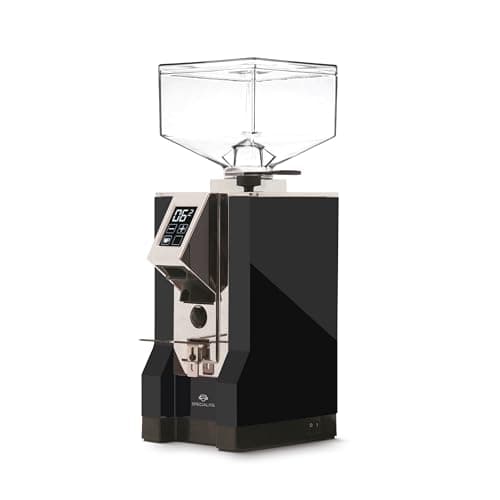
Top pick: Eureka Mignon Specialita
Best under $300
Where espresso grinding becomes real. Five options with published micron figures, and the one to avoid.
Top pick: Baratza Encore ESP
Best under $500
The tier where flat burrs and stepless adjustment arrive together. Five worth buying and one that is not.
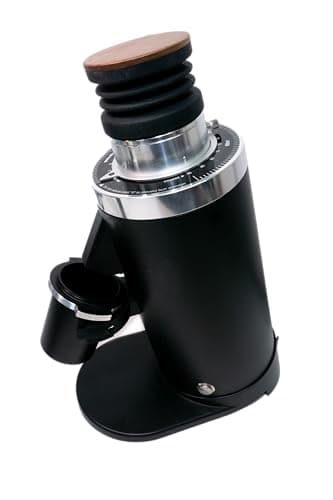
Top pick: DF64 Gen 2
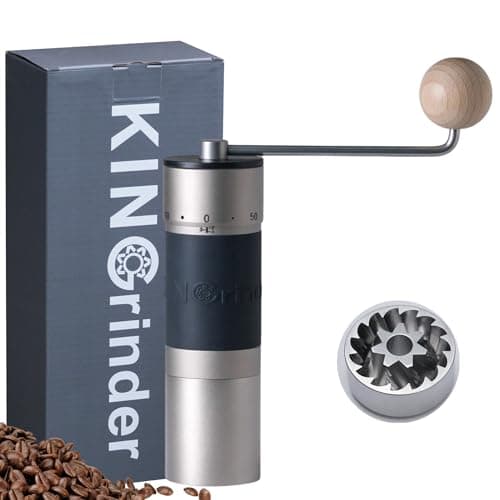
Best Hand Grinder
Manual grinders that genuinely dial in espresso, ranked by burr size and published micron resolution.
Top pick: Kingrinder K6
Best Single Dose
Grinders with retention low enough that single dosing actually works, plus the workflow it commits you to.
Top pick: DF64 Gen 2
One grinder reaches espresso and one does not. The published micron figures explain exactly why.
Top pick: Baratza Encore ESP
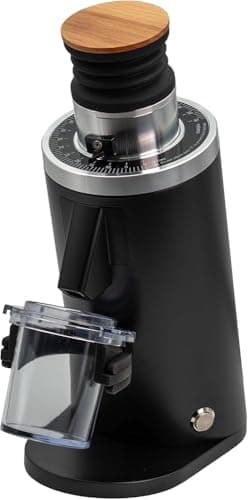
Stepped conical simplicity against stepless flat-burr single dosing. Two philosophies, two different buyers.
Top pick: DF54
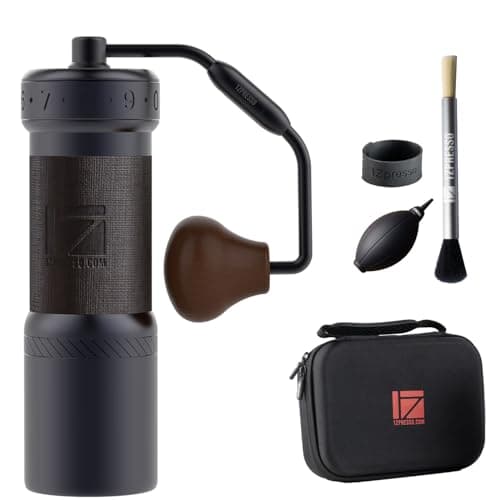
Bigger burrs and finer clicks against the filter-clarity benchmark. The published numbers make the choice clear.
Top pick: 1Zpresso K-Ultra
The entry espresso grinder with published 20-micron clicks. What that buys, and where stepped adjustment stops.
Top pick: Baratza Encore ESP
64 mm flats, stepless adjustment and sub-0.1 g retention. What the specification buys and what it asks for.
Top pick: DF64 Gen 2
55 mm Italian flats with micrometric stepless adjustment. Fast, quiet, hopper-fed, espresso-focused.
Top pick: Eureka Mignon Specialita
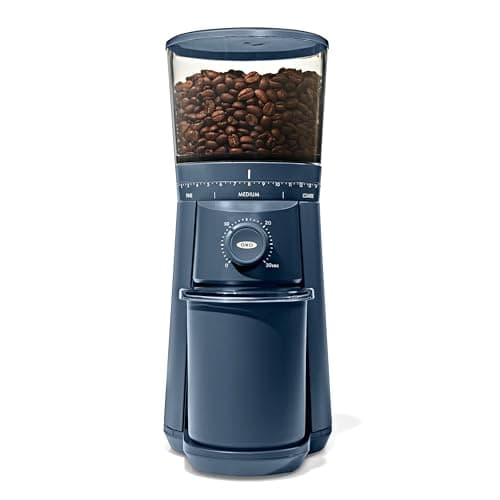
Best under $100
Where burr grinding starts, what it can and cannot brew, and hand against electric.
Top pick: OXO Brew Conical Burr Grinder
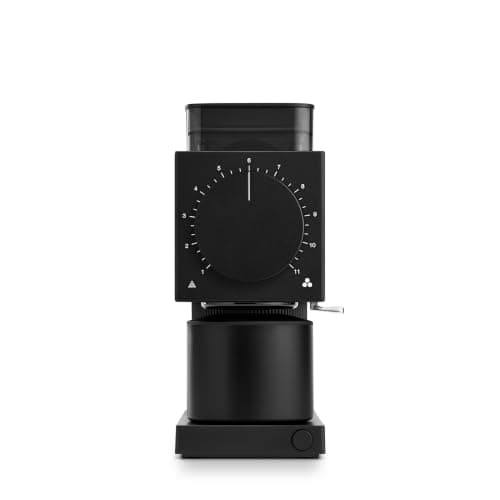
Best for Pour-Over
Flat against conical for filter, why fines ruin a pour-over, and five grinders that avoid them.
Top pick: Fellow Ode Brew Grinder Gen 2
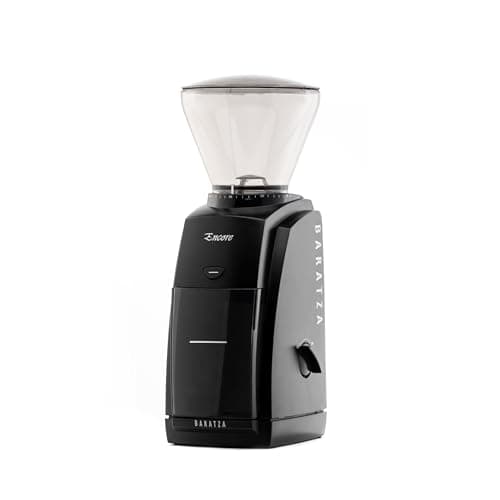
Same burr size and step count; a digital timer and a finer floor are what the Virtuoso+ adds.
Top pick: Baratza Encore
Espresso reach, single dosing and repairability - where the Encore and Opus genuinely differ.
Top pick: Baratza Encore
External against internal adjustment, microns per click, and which 48 mm hand grinder suits espresso or filter.
Top pick: Kingrinder K6
Burr size, aftermarket burrs, footprint and anti-static - the four things that separate these two.
Top pick: DF64 Gen 2
48 mm burrs and fast external adjustment - who the K-Ultra suits and who should look elsewhere.
Top pick: 1Zpresso K-Ultra
Best for Both
Range, adjustment and switching speed - the grinders that genuinely cover espresso and pour-over.
Top pick: 1Zpresso K-Ultra
Best for French Press
Why fines ruin a press, and four burr grinders that produce coarse grounds without the dust.
Top pick: Baratza Encore
Best for Breville
Which Breville machines need a grinder, and the four that pair best - plus the popular one that cannot do espresso.
Top pick: Baratza Encore ESP
Hopper convenience and quiet against single-dose flexibility and burr upgrades.
Top pick: Eureka Mignon Specialita
Same 40 mm conical burr size; repairability against a timer and a UV-blocking hopper.
Top pick: Baratza Encore
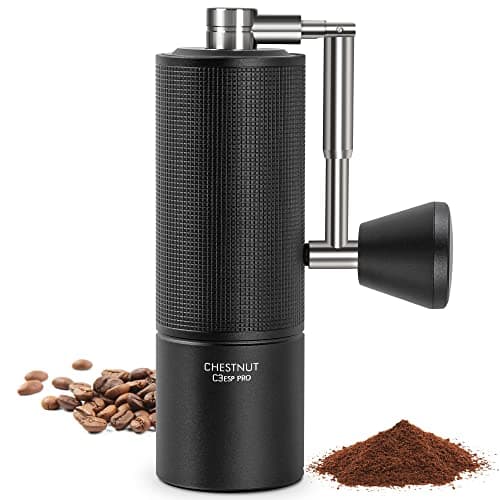
38 mm against 48 mm burrs, published resolution, and which hand grinder fits your brewing.
Top pick: Timemore Chestnut C3
64 mm flat burrs on both - filter-only design against stepless espresso reach.
Top pick: Fellow Ode Brew Grinder Gen 2
Stepless flat burrs and sound insulation against 270 steps, fast output and very low retention.
Top pick: Eureka Mignon Specialita
Best for Cold Brew
Coarse, even and in volume - the burr grinders that suit cold brew, and the grinder type to avoid.
Top pick: Baratza Encore
Best for Drip Coffee
Medium, consistent and easy every morning - the burr grinders that suit a drip machine.
Top pick: Baratza Encore
Best for Moka Pots
Medium-fine and even - the grinders that reach a moka pot's middle ground, by hand or electric.
Top pick: Baratza Encore ESP
64 mm flat burrs and stepless adjustment against 40 mm conicals with dual-resolution steps.
Top pick: DF64 Gen 2
40 mm conicals in 20-micron steps against 55 mm flats with stepless adjustment.
Top pick: Eureka Mignon Specialita
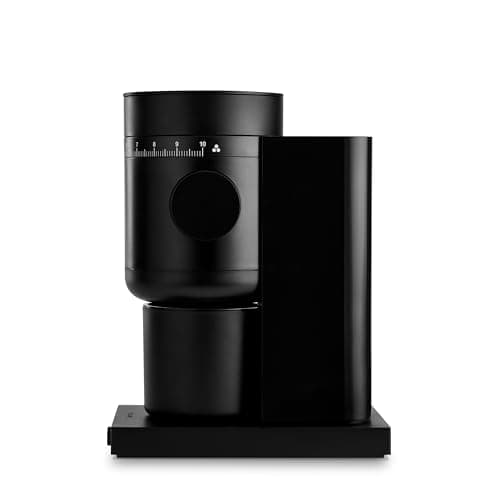
40 mm conicals from cold brew to espresso against 64 mm flats built only for filter.
Top pick: Fellow Opus 2
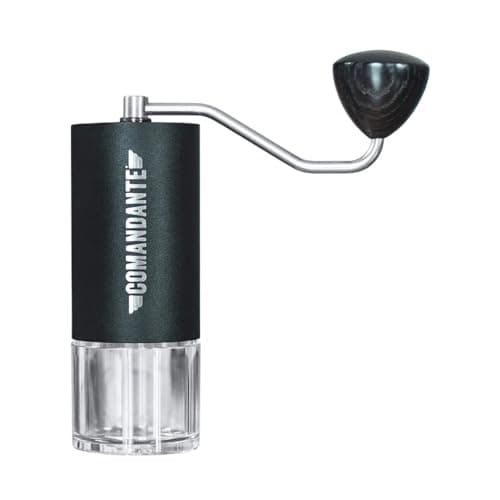
Best Hand Grinders for Pour-Over
The hand grinders that suit pour-over best, from the clarity benchmark to the budget pick.
Top pick: Comandante C40 MK4
Best under $200
What the second hundred dollars buys - repairability, real adjustment, and the first grinder here that reaches espresso.
Top pick: Baratza Encore
40 mm conical burrs, 40 steps and parts sold individually for years. What that buys, and the two limits that never move.
Top pick: Baratza Encore
Grinders that hit AeroPress's own medium-fine recommendation at a 16-18 g dose, from a budget hand grinder up.
Top pick: Timemore Chestnut C3
48 mm heptagonal burrs, external adjustment at 16 microns per click, and a hex shaft that takes a drill.
Top pick: Kingrinder K6
64 mm flat burrs, 31 settings, single-dose loading and no espresso at all - by design.
Top pick: Fellow Ode Brew Grinder Gen 2
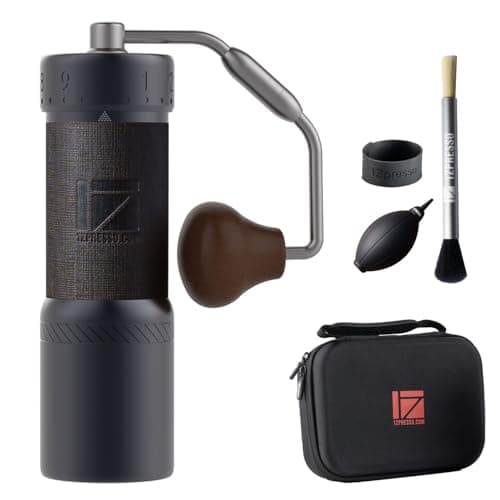
8 microns per click and espresso burrs against 20 microns per click and an all-round burr set.
Top pick: 1Zpresso J-Ultra
38 mm burrs, 25 g capacity and filter-only resolution against 48 mm burrs, 16 microns per click and a hex shaft.
Top pick: Timemore Chestnut C3
48 mm burrs on a stepless marked dial against a dual-resolution collar at 20 microns per click.
Top pick: Baratza Encore ESP
60 settings, timed dosing and portafilter cradles against a dual-resolution collar and individually sold parts.
Top pick: Baratza Encore ESP
Conical burrs, a 40-second timer and a finer floor against 64 mm flats, 31 settings and single-dose loading.
Top pick: Fellow Ode Brew Grinder Gen 2
First grinders that cover the filter range, hold a setting and stay repairable - with the blade grinder trap explained.
Top pick: Baratza Encore
Travel grinders ranked on weight and packability - 530 g to 685 g - with what each gives up to be small.
Top pick: Timemore Chestnut C3
Flat-burr grinders for light-roast clarity, from a 64 mm filter grinder to 55 mm Italian espresso flats.
Top pick: Fellow Ode Brew Grinder Gen 2
Quiet grinders by mechanism - low-speed motors, insulated bodies and hand grinders that make no noise at all.
Top pick: Fellow Ode Brew Grinder Gen 2
48 mm conical burrs, a marked stepless dial, near-zero retention and auto-stop - what changed from the original Opus, and what it costs you.
Top pick: Fellow Opus 2
48 mm coated espresso burrs, external adjustment at 8 microns per click, a 35-40 g catch cup and a carrying case.
Top pick: 1Zpresso J-Ultra
Electric convenience and a filter-only range against hand grinding with genuine espresso resolution for less.
Top pick: Baratza Encore
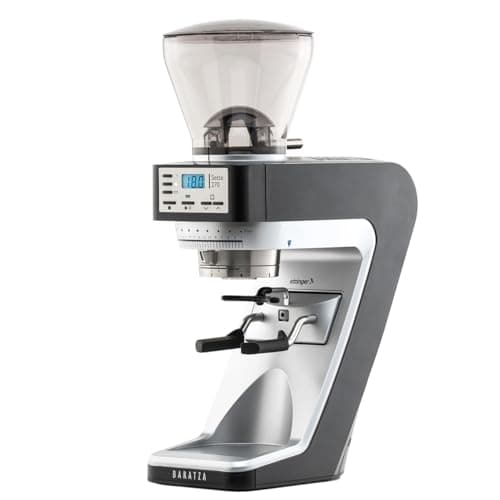
What a built-in Acaia scale actually buys over a timer, and when a scale you already own does the same job for nothing.
Top pick: Baratza Sette 270
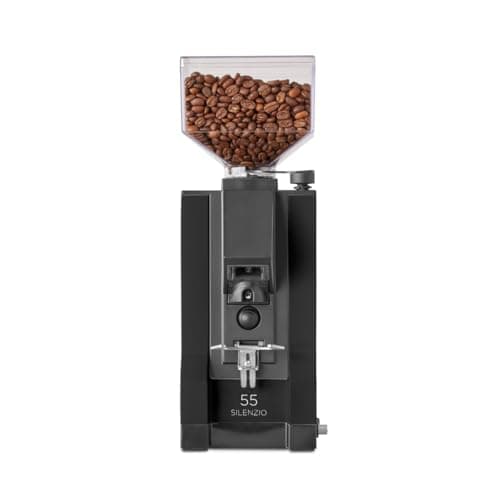
Best Mignon Overall
The Mignon line decoded: which models get 55 mm burrs, which are silenced, which dose by weight, and which one is built for filter.
Top pick: Eureka Mignon Silenzio 55
38 mm S2C stainless conical burrs, about 36 settings at 0.0233 mm each, 25 g capacity and no plastic internals.
Top pick: Timemore Chestnut C3
The grinder, in almost every case. The machine controls temperature and pressure; the grinder controls particle size, which is the variable that decides whether the shot is drinkable at all. A modest machine with a good grinder consistently beats an expensive machine with a poor one.
Usually not. Most filter grinders cannot physically grind fine enough, and those that can lack the adjustment resolution to land in espresso's narrow window. The Fellow Ode Gen 2, for example, states outright that it bottoms out around 250-300 microns - coarser than espresso needs.
Yes, if the burrs are large enough and the adjustment is fine enough. A 48 mm hand grinder with 12-20 microns per click will out-resolve most entry electric grinders. The trade is effort: grinding an 18 g espresso dose by hand every morning is a real commitment.
Retention is coffee left inside the grinder after a dose. It matters for two reasons: yesterday's stale grounds end up in today's cup, and the dose you weighed in is not the dose that comes out. Under 0.1 g is genuinely low; several grams is normal for hopper grinders.
Elsewhere on the site
The parts of a coffee setup are not independent. These are the sections this one connects to most.