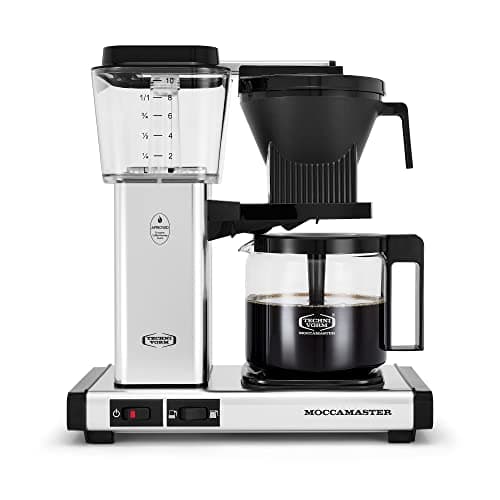
Best Overall
The 6 Best Coffee Makers for Home (2026)
Drip machines with published brew temperatures and SCA certification - the two things that separate good from hot brown water.
Top pick: Technivorm Moccamaster KBGV Select
Crema & Grind
The automatic half of the setup. What certification actually certifies, and why most drip machines never reach brewing temperature.
Start here
Most people arrive here for one of two reasons. Pick the one that describes you.
Upgrading a setup
You already own the entry gear and one part of it is holding the rest back. Start with the picks below, then read how to dial in espresso before buying anything.
Buying for someone else
Coffee gear is unusually fitment-dependent, and the wrong size is unusable. Our gift guides are organized around what you do and do not know about their setup.
Automatic drip has a bad reputation among people who care about coffee, and most of it is deserved - but not for the reason usually given. The problem is not that machines brew badly in principle. It is that the large majority of drip machines sold never get the water hot enough, and dribble it onto one spot of the bed rather than wetting all of it. Fix those two things and a drip machine produces coffee indistinguishable from a competent pour-over, unattended, every morning, for four people.
Coffee extracts properly in a band around 195-205 F. A cheap drip machine heats water in a thin aluminum tube and delivers it well below that, particularly at the start of the cycle and particularly with a cold carafe underneath. Under-extracted coffee tastes sour, thin and vaguely salty, and the usual response - use more coffee - makes it worse rather than better. The machines on this page are the ones with published, verifiable brew-temperature figures: the Moccamaster states 196-205 F, the OXO 197.6-204.8 F, the Bonavita 195-205 F.
The Specialty Coffee Association runs a Certified Home Brewer program that tests machines against a technical standard covering brew temperature, contact time and extraction. It is not a marketing badge a manufacturer can buy; a machine either passes the protocol or it does not. It is the single most useful filter in this category because it is the only widely available third-party evidence that a machine does the physical job it claims. It does not tell you the machine is well built, quiet or easy to clean - only that it brews correctly.
Even at the right temperature, water dropped through a single hole onto the center of a cone bed will over-extract the middle and leave the edges dry. This is why the machines worth buying advertise their shower head design, and why the flat-bottom basket keeps appearing at this level - a shallow, wide bed is far easier to wet evenly than a deep cone. A pre-infusion or bloom cycle, where the machine wets the grounds and pauses, matters most with fresh beans that still have carbon dioxide to release.
Machines with a grinder built in solve a real convenience problem and create two smaller ones. The built-in burr set is typically coarse-adjusting, and cleaning a combined machine means cleaning a grinder and a brewer in one awkward assembly. For roughly the same total outlay you can buy a certified brewer and a standalone burr grinder that is better at both jobs and can be replaced separately. We say so on the grind-and-brew page rather than pretending otherwise.
The comparison is not really about cup quality; a good machine and a good pour are close. It is about batch size and attention. Pour-over is a five-minute activity that makes one or two cups and rewards attention. Drip is a zero-attention activity that makes eight to ten. Many households genuinely want both, and the two do not compete. Drip versus pour-over walks through it with the actual trade-offs rather than a verdict.
A glass carafe on a hotplate keeps cooking the coffee after brewing, which drives off aromatics and produces the flat, bitter taste people associate with office coffee. A double-walled thermal carafe holds temperature without applying heat. If you finish a pot within twenty minutes this hardly matters; if a pot lasts you the morning, it is the most important feature on the machine.
Once the machine is chosen, the counter is the next problem. How to build a home coffee bar sets out the six stations a working counter needs and the order to buy them in - which is not the order they sit in.
Brewers
Each page below is a full write-up rather than a list. The top pick and its price check sit on the card so you do not have to click through to act.
Best Overall
Drip machines with published brew temperatures and SCA certification - the two things that separate good from hot brown water.
Top pick: Technivorm Moccamaster KBGV Select
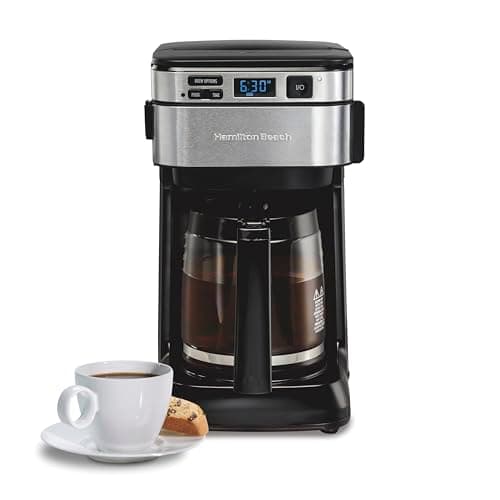
Best under $100
What you can genuinely buy under $100, what none of them publish, and the manual setup that outperforms all of them.
Top pick: Hamilton Beach FrontFill 12-Cup Programmable
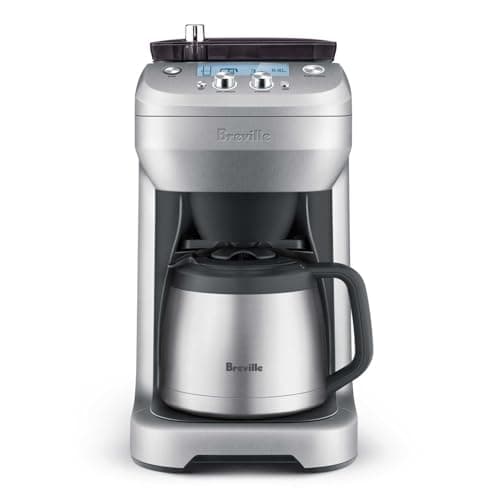
Best Grind & Brew
Whole beans to brewed coffee in one machine - what that convenience costs, and when it is worth it.
Top pick: Breville Grind Control
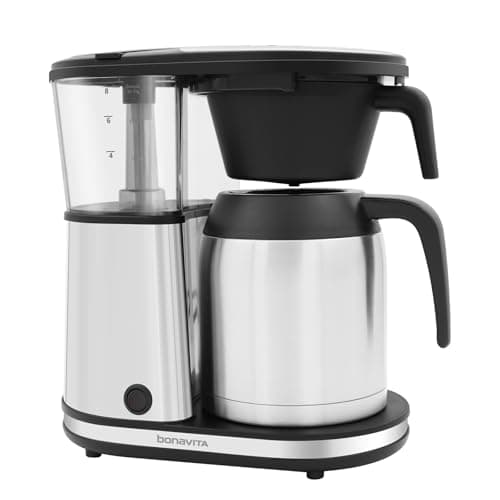
Best for Beginners
First machines chosen for being hard to get wrong, plus the purchase that matters more than any of them.
Top pick: Bonavita Connoisseur 8-Cup
Cup quality is close. Batch size, attention and repeatability are what actually differ.
Top pick: Technivorm Moccamaster KBGV Select
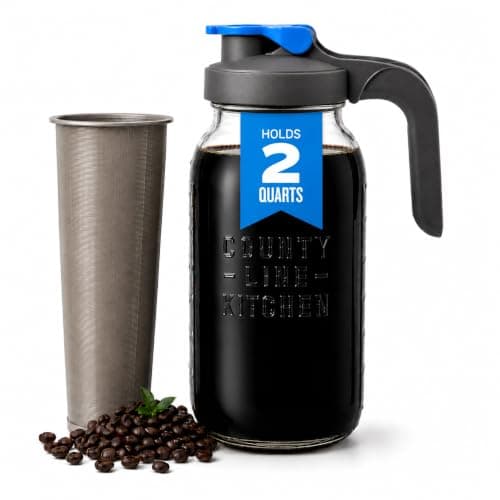
Best Cold Brew
Concentrate against ready-to-drink, how long each keeps, and which brewer suits your fridge.
Top pick: County Line Kitchen Cold Brew Maker 64 oz
Best Thermal Carafe
Why a hot plate ruins coffee, and the three machines that solve it properly.
Top pick: Bonavita Connoisseur 8-Cup
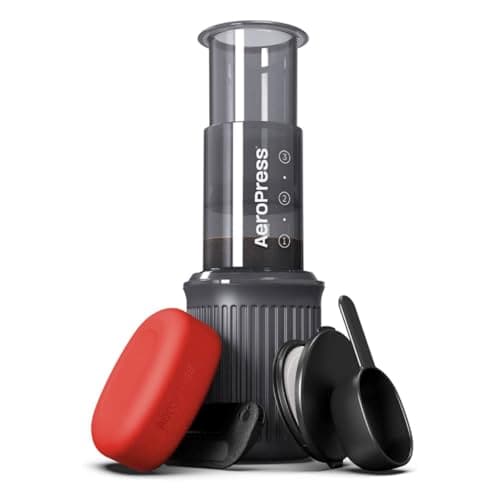
Best for Camping
Car camping against backpacking, and which brewer earns its weight in each.
Top pick: AeroPress Go
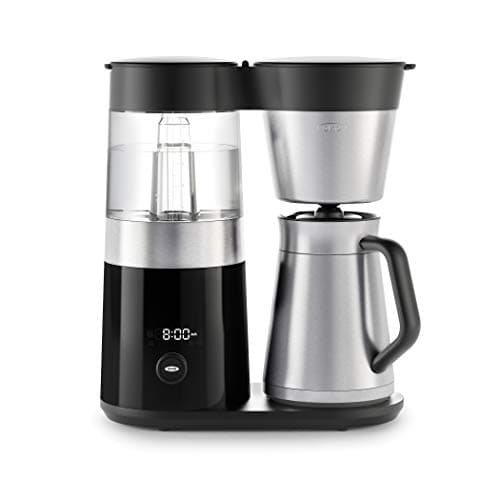
Best Drip under $200
Where certified brew temperature becomes affordable, and the grind-and-brew machine to understand before buying.
Top pick: OXO Brew 9-Cup Coffee Maker
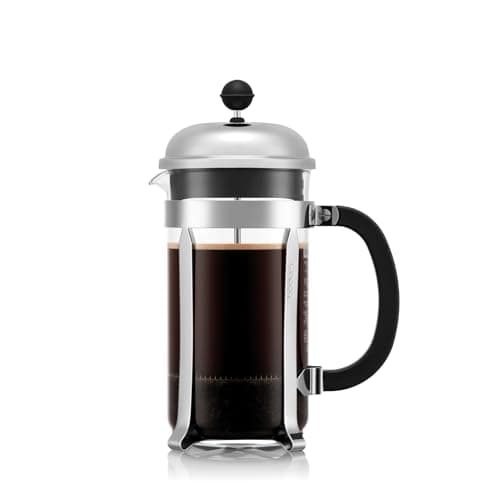
Metal mesh against paper, attention against a timer - and which cup you actually prefer.
Top pick: Bodum Chambord French Press
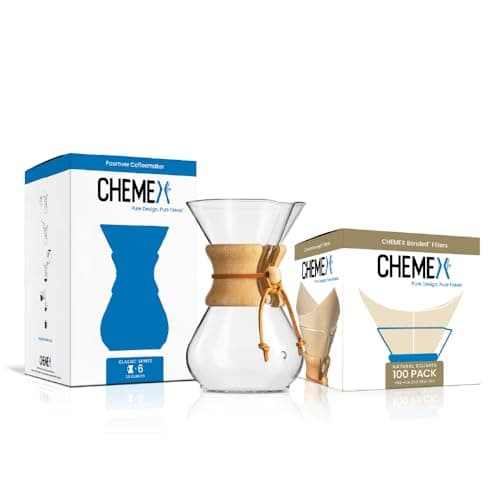
Hand-poured clarity against automated consistency, in the same paper-filtered style.
Top pick: Chemex Classic 6-Cup
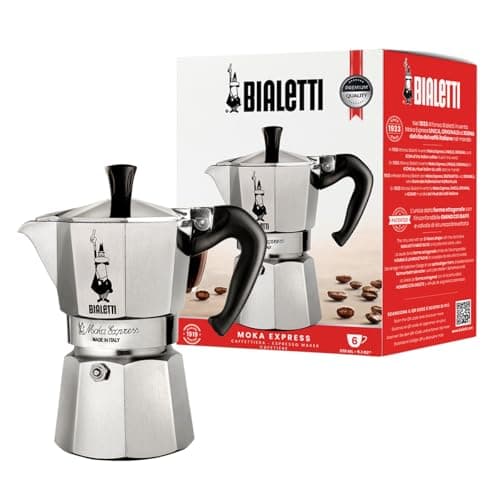
Stovetop strength against programmable volume - and how each fits a morning.
Top pick: Bialetti Moka Express
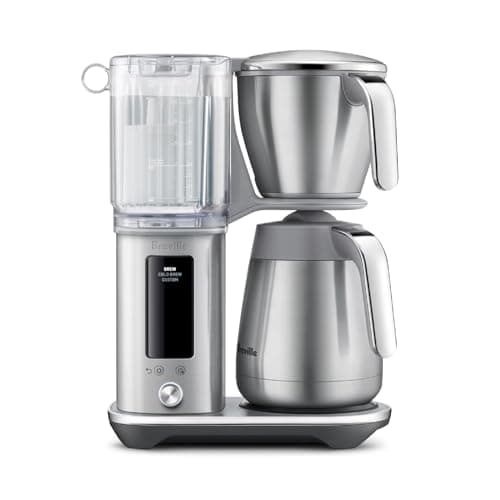
Why the Precision Brewer mattered, what Breville replaced it with, and three certified alternatives you can buy today.
Top pick: Breville Luxe Brewer Thermal
A 64 oz mason-jar batch against a smaller one with a one-touch release - and what happened to the Toddy.
Top pick: County Line Kitchen Cold Brew Maker 64 oz
A glass carafe with a half-carafe setting against a thermal carafe with no hot plate.
Top pick: Technivorm Moccamaster KBGV Select
What the Moccamaster KBGV Select does well, who it suits, and three alternatives.
Top pick: Technivorm Moccamaster KBGV Select
A burr grinder and single-cup-to-carafe brewing against a blade grinder at an entry price.
Top pick: Breville Grind Control
SCA-certified simplicity and a repairable Dutch build against a saveable custom profile and a 30-minute cold brew.
Top pick: Technivorm Moccamaster KBGV Select
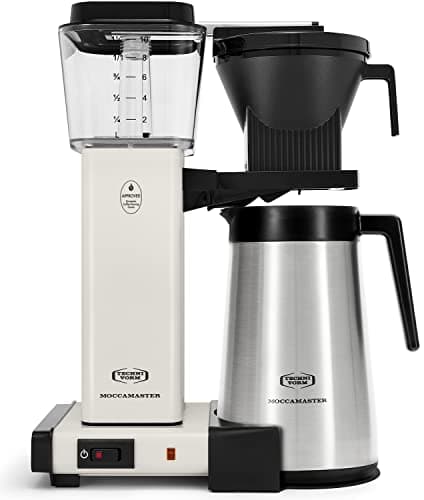
Insulation against a hotplate - what each does to coffee over an hour, and when glass is still the right buy.
Top pick: Technivorm Moccamaster KBGT
SCA certified at 195-205 F, flat-bottom basket, optional pre-infusion, 1.3 L thermal carafe, one button.
Top pick: Bonavita Connoisseur 8-Cup
The honest trade: a step and a counter saved against grind resolution, cleaning and a single point of failure.
Top pick: Breville Grind Control
SCA certification on both - then a 45-second bloom and single-cup mode against a single button and optional pre-infusion.
Top pick: OXO Brew 9-Cup Coffee Maker
Office brewers judged on capacity, thermal carafes, refilling and who has to maintain them.
Top pick: Hamilton Beach FrontFill 12-Cup Programmable
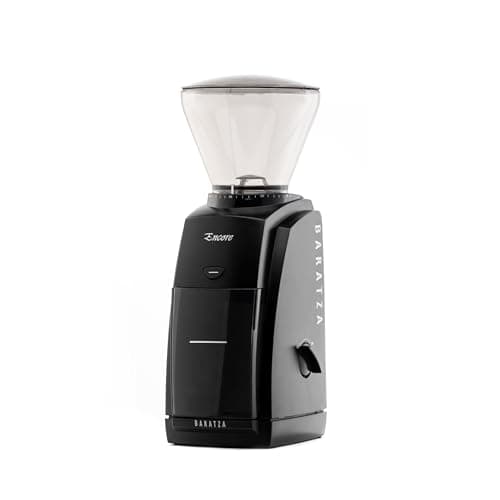
How to divide a $200 budget between a drip machine and a real burr grinder, with the combinations that fit.
Top pick: Baratza Encore
60 oz, SCA-approved Golden Standard mode, a saved custom profile over bloom and flow, and cold brew from 30 minutes to 36 hours.
Top pick: Breville Luxe Brewer Thermal
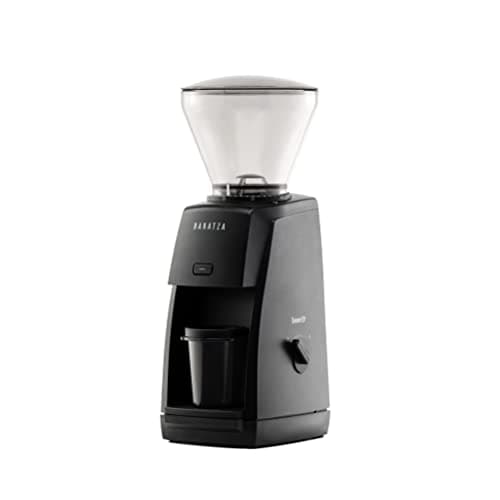
Best Coffee Bar Setup
The six stations of a working coffee bar - beans, grind, dose, brew, milk, waste - and the piece most people buy too late.
Top pick: Baratza Encore ESP
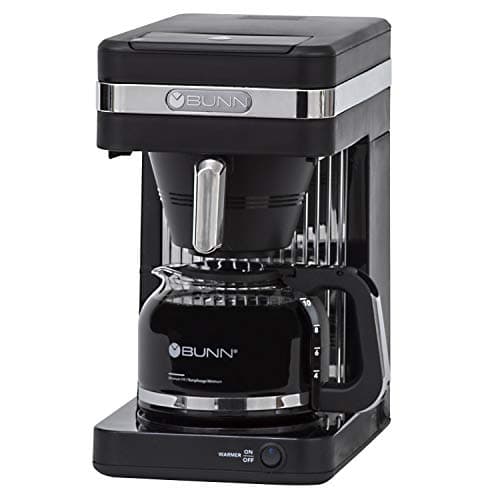
Best BUNN Brewer
BUNN's tank brews ten cups in four minutes. Which model earns the premium, and the brew temperature BUNN never publishes.
Top pick: BUNN CSB2B Speed Brew Elite
It is the most useful single filter in the category. Certification means the machine was tested against a technical protocol for brew temperature, contact time and extraction. It is third-party evidence rather than a manufacturer's claim, and under-temperature brewing is the most common failure in cheap drip machines.
Almost always under-extraction, and usually because the water is not hot enough or the bed is not evenly wetted. Grinding finer and checking your dose helps, but if the machine cannot reach roughly 195-205 F, no adjustment on your side will fix it.
Only if counter space or convenience genuinely outweighs quality. The integrated grinder is usually the weakest part, adjustment is coarse, cleaning is more awkward, and you cannot upgrade one half without replacing both. A separate certified brewer and burr grinder is better on every axis except tidiness.
Thermal, unless you always finish the pot immediately. A hotplate continues cooking the brewed coffee, which drives off aroma and creates bitterness within about twenty minutes. A thermal carafe holds heat without applying any.
Elsewhere on the site
The parts of a coffee setup are not independent. These are the sections this one connects to most.