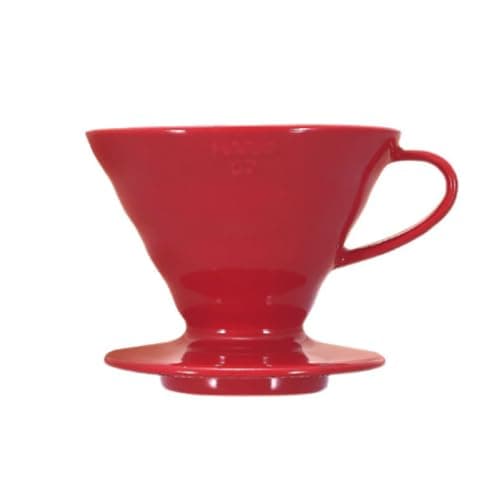
Best Pour-Over
The 5 Best Pour-Over Coffee Makers (2026)
Cone against flat bed, and which dripper matches how much technique you want to bring.
Top pick: Hario V60 Ceramic Dripper 02
Crema & Grind
Cones, flat beds, immersion and everything between - and an honest account of which differences you can taste.
Start here
Most people arrive here for one of two reasons. Pick the one that describes you.
Upgrading a setup
You already own the entry gear and one part of it is holding the rest back. Start with the picks below, then read how to dial in espresso before buying anything.
Buying for someone else
Coffee gear is unusually fitment-dependent, and the wrong size is unusable. Our gift guides are organized around what you do and do not know about their setup.
Manual brewing is the cheapest part of a serious coffee setup and the part most sensitive to technique. A dripper costs less than a bag of specialty beans. The equipment differences between them are real but small compared with the differences your grinder and your pour make - which is genuinely good news, because it means this section is about matching a brewer to your habits rather than climbing a price ladder.
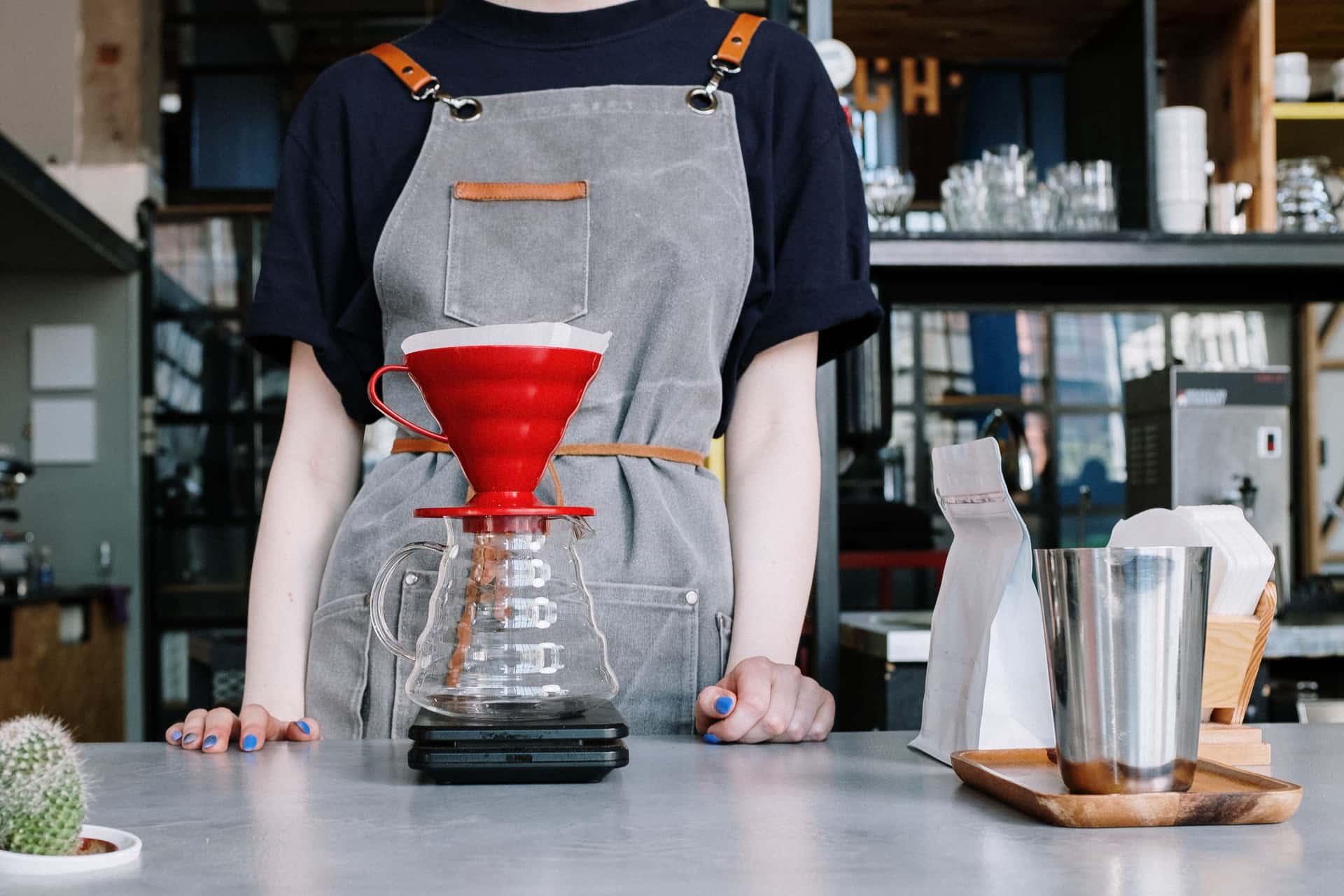
A cone dripper - the Hario V60 is the archetype - concentrates the coffee bed toward a single large opening. Water passes through a deep bed and flow is governed almost entirely by your pour and your grind. That is why the V60 rewards good technique and punishes a careless one. A flat-bottom dripper such as the Kalita Wave spreads the bed wide and shallow over three small holes, so the holes regulate flow instead of you. The result is a more forgiving brew with a narrower ceiling. Choose the V60 if you want to practice; choose the Wave if you want your Tuesday morning coffee to be the same as your Sunday one.
The Chemex is a third case. Its bonded filters are dramatically thicker than ordinary cone papers, which is why the cup is so clean and why brewing is so slow. It rewards a coarser grind than a V60 at the same dose, and it is the only common brewer that brews and serves in one vessel.
Everything above is percolation: water flows through the bed and leaves. Immersion brewing - French press, AeroPress, the Clever style of dripper - steeps the grounds in a fixed volume of water and then separates them. Immersion is much more forgiving of an inconsistent grinder, because every particle sits in water for the same length of time regardless of size. If you own an entry-level grinder and your pour-over tastes muddy, an AeroPress will probably make better coffee than a V60 will, and that is a real recommendation rather than a consolation prize.
A gooseneck spout does two things a normal kettle cannot: it delivers a thin, controllable stream, and it puts the point of contact where you aim it rather than where the kettle throws it. With a cone dripper that control is the difference between an even bed and a channeled one. Temperature control matters too but less than the marketing suggests - the useful range for most coffee sits between about 195 and 205 F, and the main benefit of a variable kettle is repeating the same number rather than finding a magic one. A hold function is the underrated feature: it means your second pour is the same temperature as your first. Our picks are in the gooseneck kettle roundup.
We do not publish a recipe as though it were a law. Ratios and pour patterns interact with your water, your grinder and your beans, and a number copied from a competition routine is not portable. The pour-over guide gives you a starting ratio and, more usefully, tells you which direction to move when the cup tastes wrong.
Choosing between brewers rather than recipes is the more useful place to start. AeroPress against French press and a moka pot covers the three cheap entry points; Chemex against the Hario Switch is the decision between maximum clarity and one brewer that does two jobs; and if you have settled on the Switch, glass or ceramic is the last question left.
Pour-Over
Each page below is a full write-up rather than a list. The top pick and its price check sit on the card so you do not have to click through to act.
Best Pour-Over
Cone against flat bed, and which dripper matches how much technique you want to bring.
Top pick: Hario V60 Ceramic Dripper 02
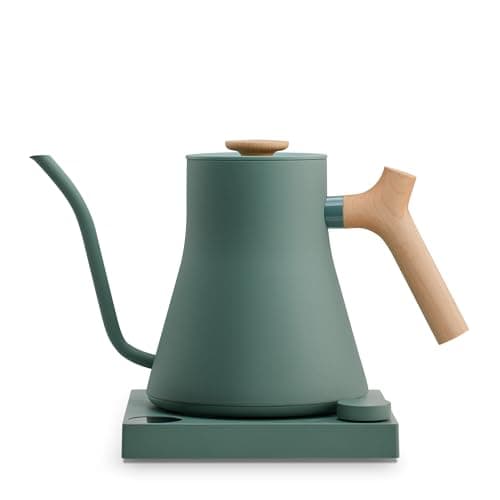
Best Gooseneck Kettle
Spout control, temperature and the underrated hold function - which kettles get the balance right.
Top pick: Fellow Stagg EKG
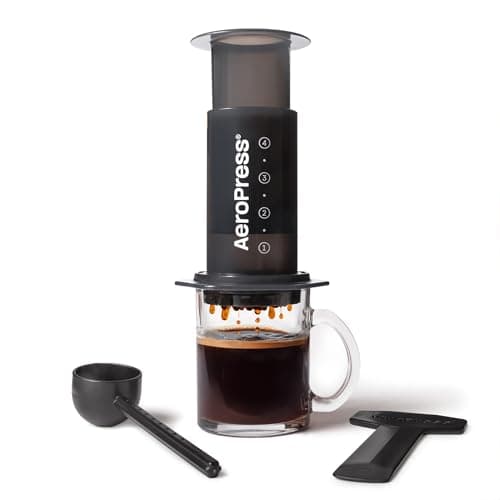
Best Manual Brewer
Immersion against percolation, and which manual brewer suits the grinder you already own.
Top pick: AeroPress Original
One-hole flow control against the thickest filter in coffee. Which one suits your grinder and your household.
Top pick: Hario V60 Ceramic Dripper 02
Two immersion brewers with different endings: paper and a plunge, or mesh and gravity.
Top pick: AeroPress Original
Immersion forgiveness against percolation clarity - and why your grinder should decide it.
Top pick: AeroPress Original
60-degree cone, spiral ribs, one large hole. What each decision does, and what the V60 demands in return.
Top pick: Hario V60 Ceramic Dripper 02
The immersion brewer that forgives an inconsistent grind. What it does, what it is not, and which model to buy.
Top pick: AeroPress Original
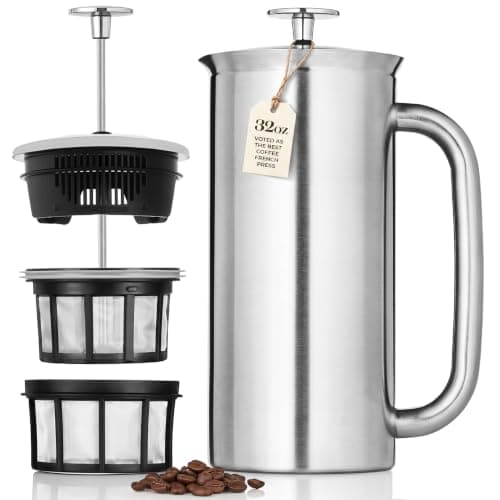
Best French Press
Filtration, insulation and durability - the three things that actually differ between presses.
Top pick: Espro P7 French Press
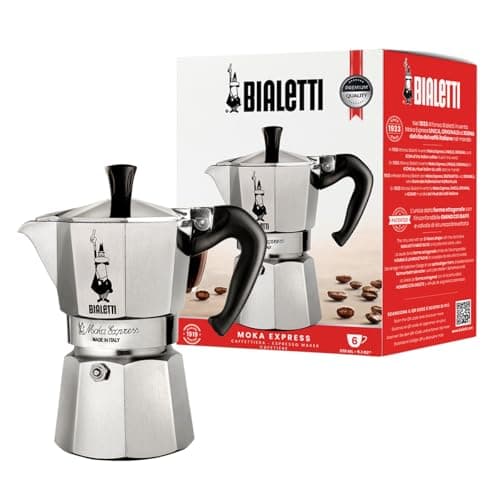
Best Moka Pot
Aluminum against stainless, the Brikka's pressure valve, and the technique that stops moka tasting burnt.
Top pick: Bialetti Moka Express
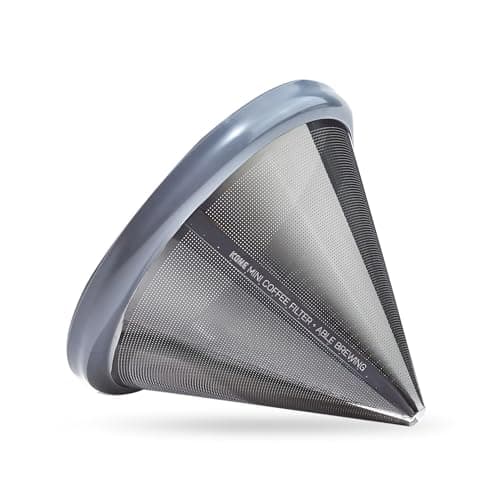
Best Reusable Filter
What metal and cloth filters do to the cup, and which one suits which brewer.
Top pick: Able Kone Reusable Filter
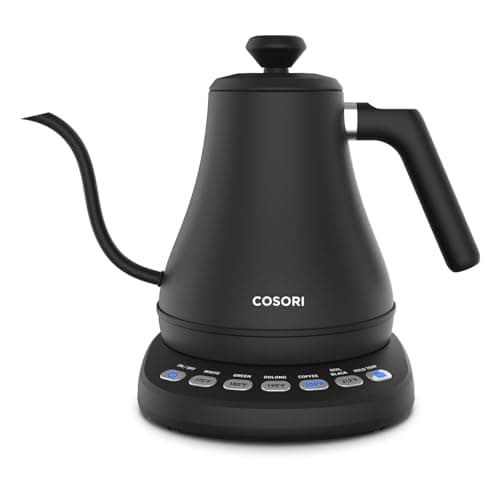
Best under $100
Pour control without the price of a variable-temperature kettle, and what you lose along the way.
Top pick: COSORI Electric Gooseneck Kettle
Paper-filtered immersion against steam percolation - cup, cleanup and where each one works.
Top pick: AeroPress Original
Original, Go and XL compared on capacity, weight and filters - and who each one suits.
Top pick: AeroPress Original
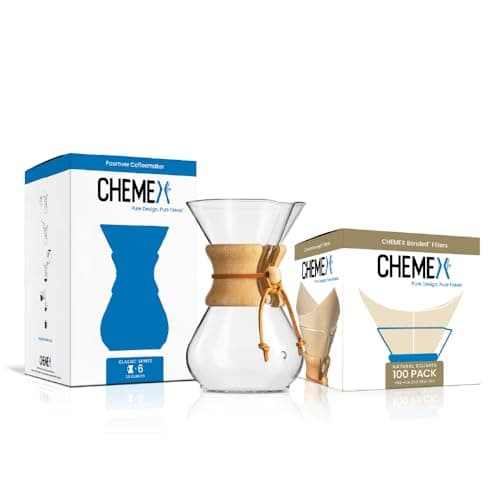
Why the bonded filter defines the Chemex cup, and who that clarity suits.
Top pick: Chemex Classic 6-Cup
Cone against flat bed, one hole against three - and who should buy which.
Top pick: Hario V60 Ceramic Dripper 02
Percolation against steep-then-drain, and whether the Switch's valve is worth having.
Top pick: Hario V60 Ceramic Dripper 02
Steam pressure against pump pressure, and which one suits your drinks, grinder and kitchen.
Top pick: Bialetti Moka Express
Bonded paper against metal mesh - clarity, body and effort compared.
Top pick: Chemex Classic 6-Cup
Immersion under hand pressure against slow percolation - volume, speed and forgiveness.
Top pick: AeroPress Original
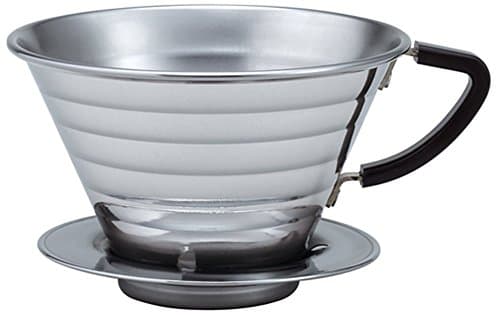
A flat, forgiving bed against the thickest filter in pour-over.
Top pick: Kalita Wave 185
Kettles Worth Buying
When a gooseneck changes your coffee, when it does not, and four kettles worth buying.
Top pick: Fellow Stagg EKG
What the AeroPress does well, where it falls short, and which version to buy.
Top pick: AeroPress Original
A flat, flow-regulating bed against a valve that lets you steep first.
Top pick: Kalita Wave 185
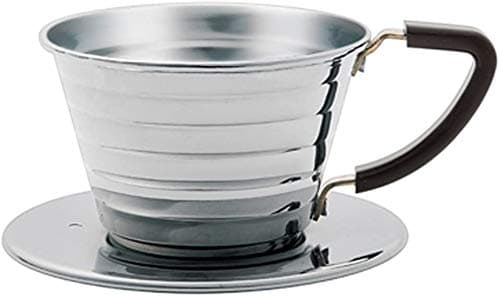
One to two cups against two to four - and the filters that go with each size.
Top pick: Kalita Wave 155
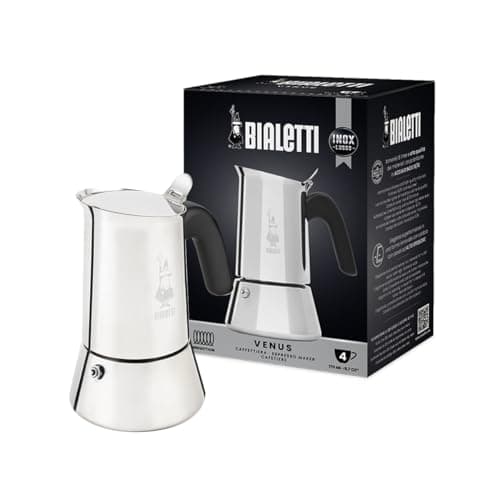
Best for Induction
Stainless and two-layer moka pots that work on induction, and when an adapter plate is enough.
Top pick: Bialetti Venus
Paper-filtered clarity against stovetop strength - technique, cup and gear compared.
Top pick: Hario V60 Ceramic Dripper 02
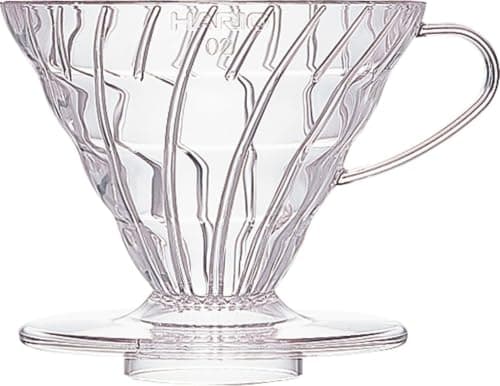
One cone in three materials - heat, durability and paper compared.
Top pick: Hario V60 Plastic Dripper 02
Double micro-mesh and vacuum insulation against the classic glass press.
Top pick: Espro P7 French Press
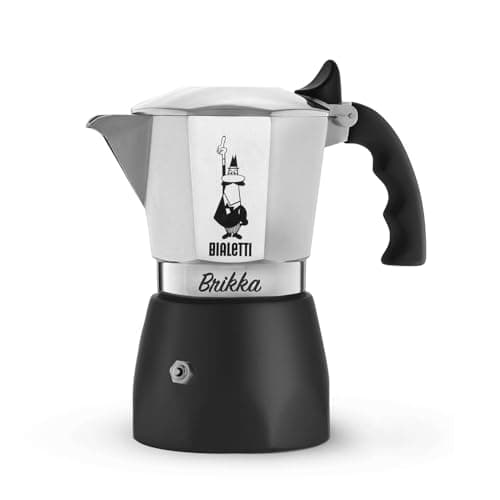
A weighted valve and a heavier cup against the classic in sizes from 1 to 12 cup.
Top pick: Bialetti Brikka
What the Stagg EKG does well, where it falls short, and three alternatives.
Top pick: Fellow Stagg EKG
1-2 cups against 1-4, two filter sizes that are not interchangeable, and one of them is far easier to buy.
Top pick: Hario V60 Ceramic Dripper 02
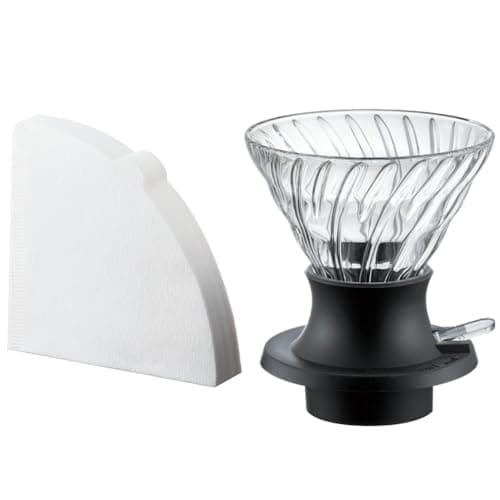
Glass V60 geometry plus a ball valve: percolation, immersion or a hybrid of both, on standard 02 papers.
Top pick: Hario Switch Immersion Dripper 02
Five brewers sized for one mug - immersion, pour-over, stovetop - and the one to avoid buying for solo brewing.
Top pick: AeroPress Original
104-212 F variable, hold and a stopwatch against five presets, a 60-minute hold and all-stainless water contact.
Top pick: Fellow Stagg EKG
A 10 oz press that travels against an 18 oz steeper with a valve - same clean cup, different effort.
Top pick: AeroPress Original
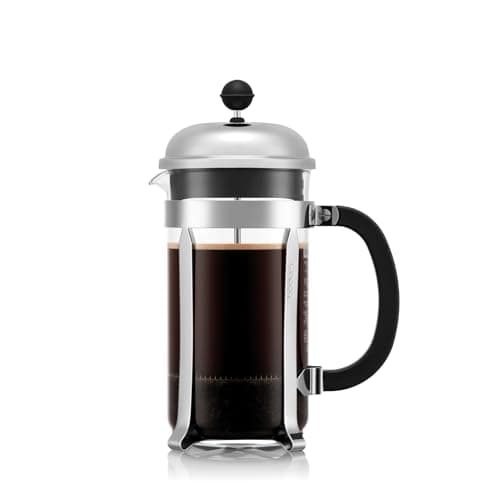
34 oz of borosilicate glass in a steel frame against double-walled 18/10 stainless that keeps a full press hot.
Top pick: Bodum Chambord French Press
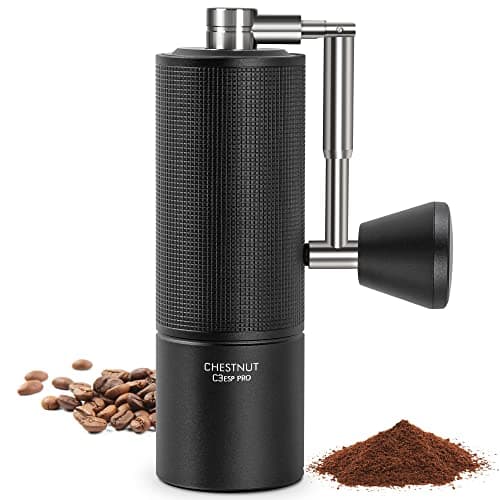
A dripper, kettle, grinder and scale that work together - what each one does and the order to buy them in.
Top pick: Timemore Chestnut C3
Pressure, steeping and steam compared: which of the three cheap brewers matches your grinder and your patience.
Top pick: AeroPress Original
Thick-filter clarity against a valve that turns a cone into an immersion brewer - and which one forgives a modest grinder.
Top pick: Chemex Classic 6-Cup
The porcelain Switch holds heat better and costs more; the glass version brews more and lets you watch. Which to buy.
Top pick: Hario Switch Immersion Dripper 02
Cast aluminum, sizes from 1 to 12 cup, cheap gaskets stocked everywhere, and no induction without an adapter plate.
Top pick: Bialetti Moka Express
For a cone dripper, effectively yes - flow control is most of the technique and an ordinary kettle spout removes it. For a flat-bottom dripper or an immersion brewer you can get away without one, because the brewer regulates flow instead of you.
The V60 is a 60-degree cone with one large hole, so your pour controls the flow. The Kalita Wave is flat-bottomed with three small holes that regulate flow for you. The V60 has a higher ceiling and demands more; the Wave is more repeatable with less practice.
No. Espresso is defined by roughly nine bars of pressure through a compacted puck. An AeroPress generates a small fraction of that by hand. It makes an excellent concentrated coffee, and calling it espresso confuses people about what their machine should be doing.
An immersion brewer - an AeroPress or a French press. Immersion gives every particle the same contact time, so an inconsistent grind matters far less than it does in percolation brewing, where fines choke the bed and cause channeling.
Elsewhere on the site
The parts of a coffee setup are not independent. These are the sections this one connects to most.