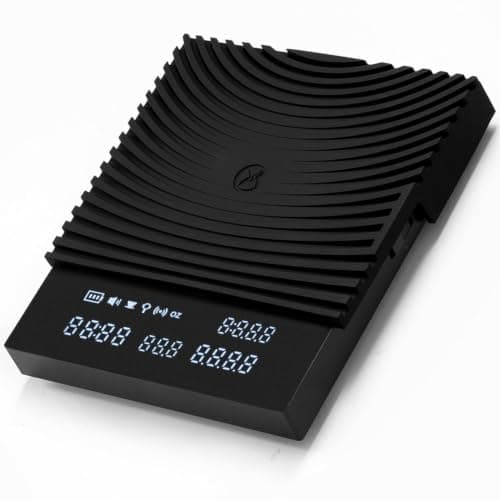
How to Dial In Espresso
A fixed-order method for dialing in a shot, what each flavor fault means, and how to tell when it is the equipment.
Top pick: Timemore Black Mirror Basic Plus
Crema & Grind
The explanations behind the recommendations. Written to be useful whether or not you buy anything.

Start here
Most people arrive here for one of two reasons. Pick the one that describes you.
Upgrading a setup
You already own the entry gear and one part of it is holding the rest back. Start with the picks below, then read how to dial in espresso before buying anything.
Buying for someone else
Coffee gear is unusually fitment-dependent, and the wrong size is unusable. Our gift guides are organized around what you do and do not know about their setup.
Every recommendation on this site rests on a small number of mechanisms: how particle size changes extraction, how pressure and temperature interact, how a milk drink is actually defined. These guides set out those mechanisms plainly, so that when a roundup says a grinder cannot dial in espresso, you can check the reasoning rather than take our word for it.
Process guides are the ones you follow with equipment in front of you - dialing in a shot, brewing a pour-over, descaling a machine. They are written as ordered steps with the reasoning attached, because a step you understand is one you can adapt when your situation differs from ours.
Definition guides answer the questions with genuinely simple answers that the internet has made complicated: what separates espresso from ristretto, from lungo, from an americano, from a cappuccino. Most of these are questions of ratio and volume, not of secret technique, and the honest answer to several of them is shorter than the average article about them.
Mechanism guides explain a component so you can evaluate any product in that category yourself. Conical versus flat burrs and bottomless versus pressurized portafilters are the two that change how people shop more than any others.
If you own an espresso machine and are not happy with what comes out of it, read how to dial in espresso before buying anything. It is the guide most likely to save you money, because a large share of espresso disappointment is a grind setting and a dose rather than a hardware limit. It also gives you the vocabulary to tell the difference - which is the point at which upgrading becomes a decision rather than a guess.
What an espresso machine costs to own is our signature piece and the one we could not find anywhere else while researching this site. Publishers cover the purchase price exhaustively and then stop. But the machine is a fraction of the outlay: beans at a given consumption rate, filters, descaler, water treatment, the grinder that half the machines require, and the burrs that eventually need replacing all add up to a number that changes which machine is the right one. We show the working so you can substitute your own consumption.
Each guide links to the equipment pages it is relevant to, and each buying page links back to the guide that answers the objection a buyer raises at that moment. That is deliberate: a recommendation without a mechanism behind it is just an assertion, and a mechanism with nothing to act on is a lecture. If you find a guide that leaves you with a question we have not answered, that is a gap in our coverage rather than yours.
We do not report tasting results as though we ran a controlled comparison, because we did not. Where a guide describes what a change does to a cup, it is describing the mechanism and what the published literature and large-scale owner consensus report - not a test we performed. Our methodology page sets out exactly where that line sits.
Four guides cover the questions people ask first. How to set up a new espresso machine is the first-hour sequence before any coffee goes in, and how to dial in on a Breville Bambino is the machine-specific version for the most common first machine. Ceramic versus steel burrs explains what burr material changes and why the lifespan figures you will read contradict each other, and Arabica versus Robusta covers the species trade between crema and clarity.
Guides
Each page below is a full write-up rather than a list. The top pick and its price check sit on the card so you do not have to click through to act.
A fixed-order method for dialing in a shot, what each flavor fault means, and how to tell when it is the equipment.
Top pick: Timemore Black Mirror Basic Plus
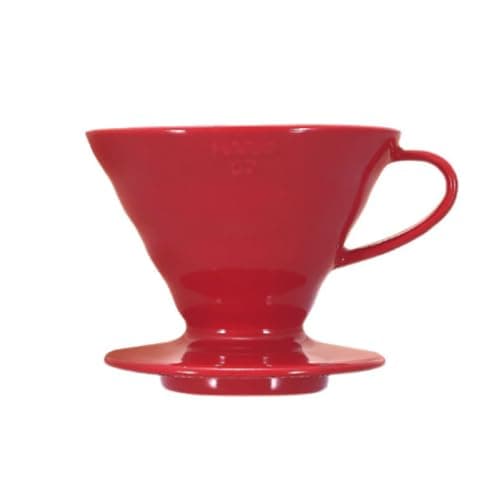
A starting recipe plus the rule for adjusting it - which is the half most recipes leave out.
Top pick: Hario V60 Ceramic Dripper 02
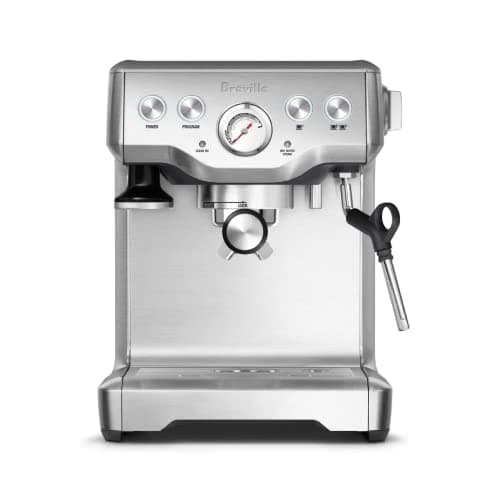
Why the interval depends on your water, how to descale properly, and the prevention that beats the cure.
Top pick: Breville Infuser
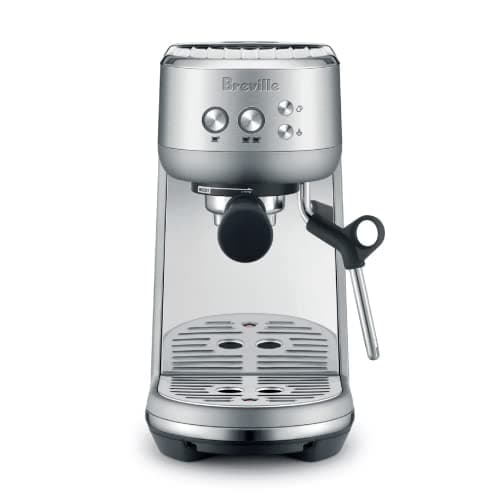
The full arithmetic of owning an espresso machine - beans, consumables, electricity, burrs and the grinder half the machines require.
Top pick: Breville Bambino
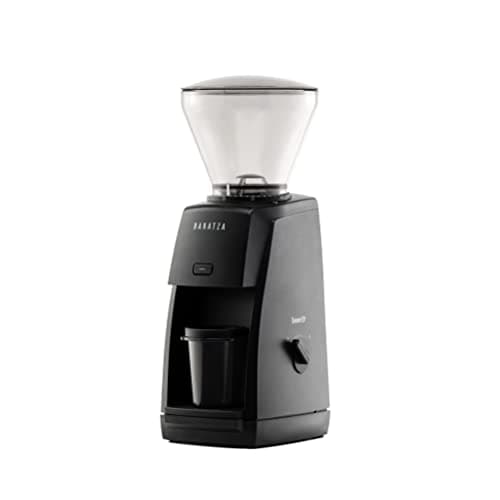
What the two burr geometries actually do to the cup, and which one suits how you drink coffee.
Top pick: Baratza Encore ESP
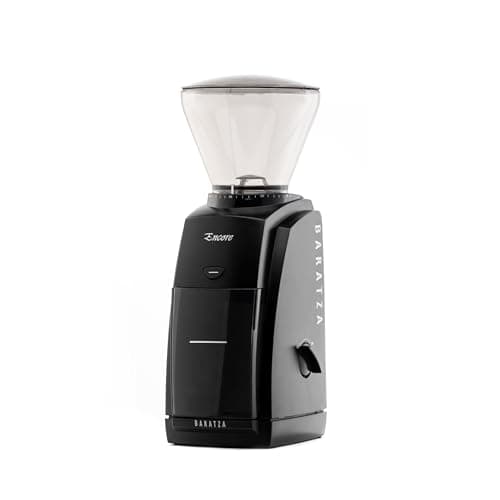
Why chopping and cutting produce completely different coffee, and what to buy instead of a blade grinder.
Top pick: Baratza Encore
Espresso is defined by pressure, not by the bean or the roast. What that changes, and what it does not.
Top pick: Breville Bambino
A ristretto is the same dose stopped earlier. What that changes in the cup, and how to pull one on purpose.
Top pick: Timemore Black Mirror Basic Plus
A lungo runs more water through the same dose. Why that adds bitterness rather than mildness.
Top pick: Timemore Black Mirror Basic Plus
Espresso plus hot water. Why that is milder than a lungo, and whether pour order matters.
Top pick: Breville Infuser
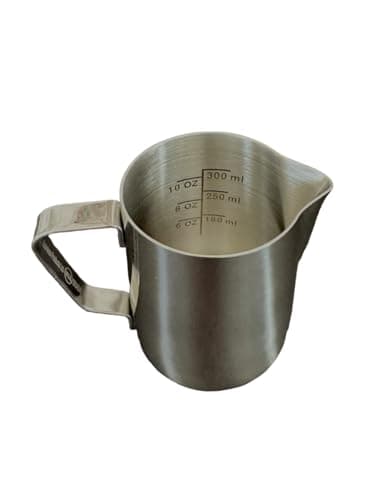
The milk ratio that defines a cappuccino, and how texture rather than volume separates it from a latte.
Top pick: Rattleware 12 oz Latte Art Pitcher
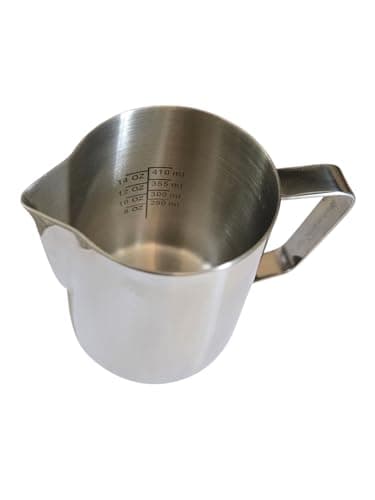
Why milk texture rather than the shot decides a latte, and what equipment that implies.
Top pick: Rattleware 20 oz Latte Art Pitcher
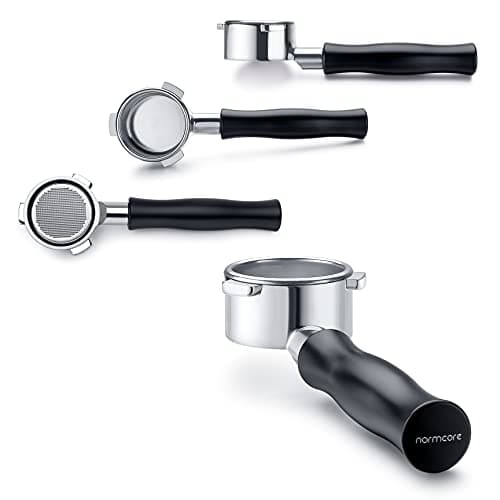
One is a basket that fakes resistance; the other is a portafilter that shows you the truth. What each is for.
Top pick: Normcore 54 mm Bottomless Portafilter
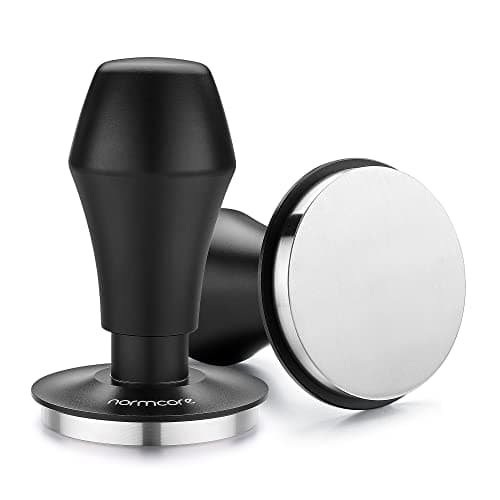
The short answer is no. Here is the sizing table, how to measure, and why a millimeter matters.
Top pick: Normcore Spring-Loaded Tamper V4
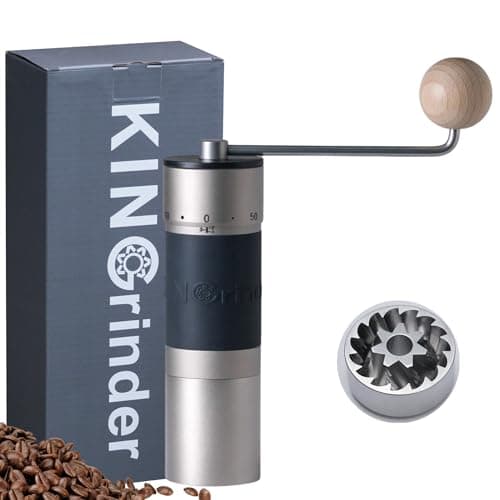
The two specifications that decide it, and an honest account of what grinding espresso by hand is like daily.
Top pick: Kingrinder K6
Pressure and heat against cold water and hours - taste, strength and the equipment each one needs.
Top pick: Breville Bambino
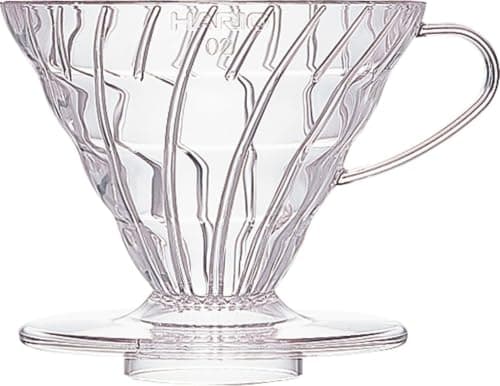
What pour-over does well, what it asks of you, and the dripper to start with.
Top pick: Hario V60 Plastic Dripper 02
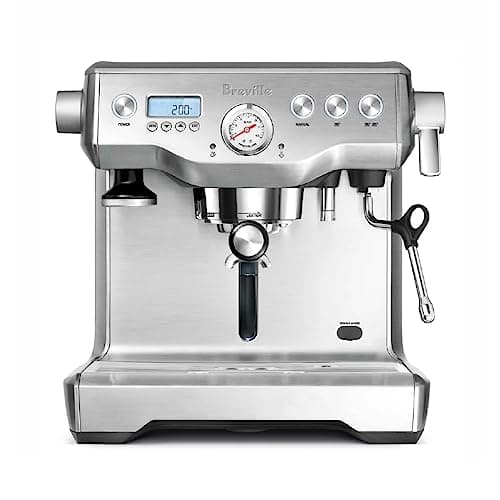
Brewing and steaming at once against switching between them - and who needs which.
Top pick: Breville Dual Boiler
Flat against ripple bases - what each is claimed to do, and what actually moves the shot.
Top pick: Normcore Spring-Loaded Tamper V4
Who a home espresso machine pays off for, what it really costs to run, and where to start.
Top pick: Breville Bambino
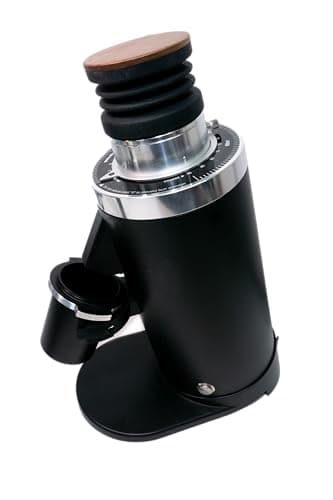
Weighing every dose against grinding on demand - who each workflow suits, and grinders for both.
Top pick: DF64 Gen 2
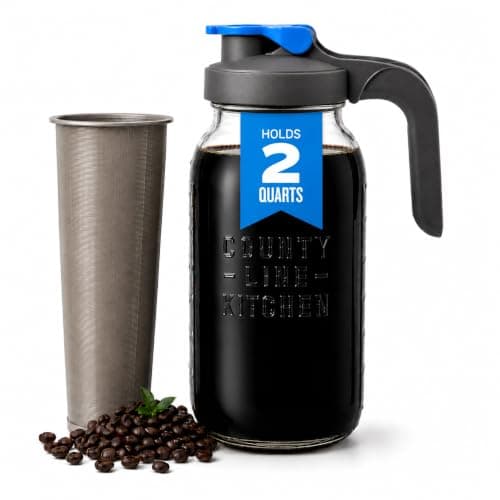
Steeped cold for hours against brewed hot onto ice - taste, time and the gear for each.
Top pick: County Line Kitchen Cold Brew Maker 64 oz
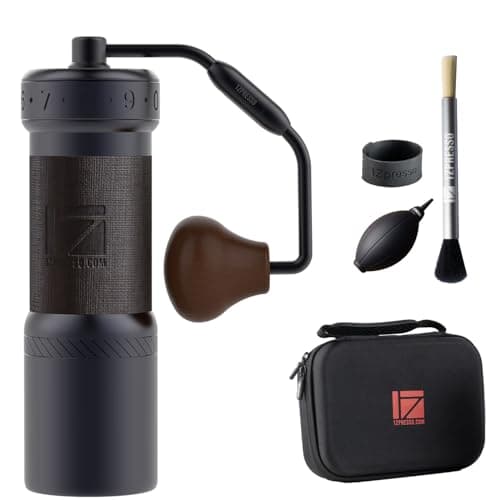
Effort and portability against speed and volume - who each grinder type suits.
Top pick: 1Zpresso K-Ultra
Espresso or not, burr geometry, adjustment resolution and capacity - in the order that actually narrows the choice.
Top pick: Baratza Encore
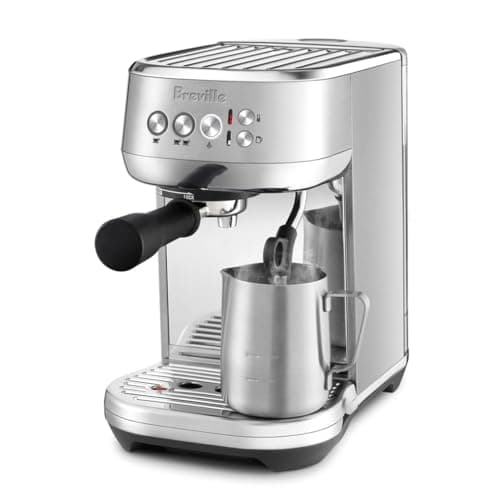
Basket type, portafilter size, temperature control and the grinder question - in the order that decides the outcome.
Top pick: Breville Bambino Plus
Brew methods mapped onto published grinder ranges, plus how to move a setting when the cup is sour or bitter.
Top pick: Baratza Encore

Why 'espresso beans' is a roast and blend decision rather than a bean type - and what the label is still useful for.
Top pick: Lavazza Super Crema
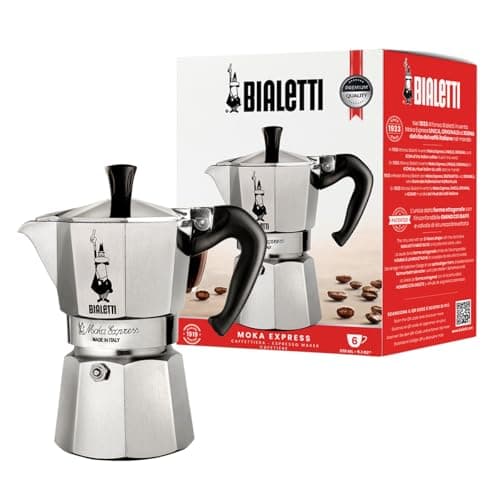
The method start to finish, the heat and grind rules that decide the cup, and why a moka pot must be filled properly.
Top pick: Bialetti Moka Express
The method start to finish - stretch then texture, published temperature targets, and what to use if your machine has no steam wand.
Top pick: Rattleware 12 oz Latte Art Pitcher
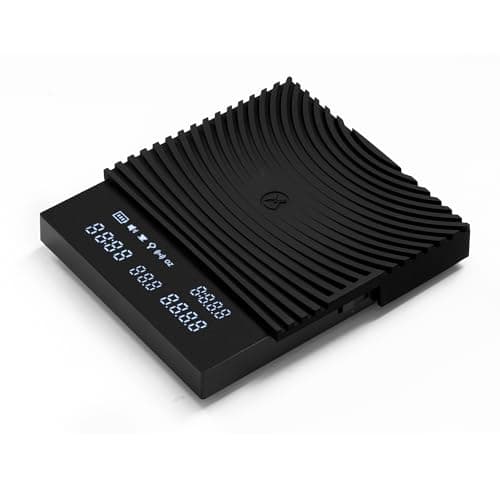
The first-run sequence for a new espresso machine: flush, water, warm-up, grind - and the two mistakes that make a good machine taste cheap.
Top pick: Timemore Black Mirror Basic 3.0
What burr material actually changes, which machines use which, and why nobody should quote you a lifespan figure.
Top pick: Baratza Encore
What Robusta actually does for crema and caffeine, what Arabica gives up to get clarity, and which bags publish their blend.
Top pick: Lavazza Super Crema
Dialling in a Bambino specifically: the fixed 18 g dose, what pre-infusion does to your shot timer, and why the buttons are timers.
Top pick: Timemore Black Mirror Basic 3.0
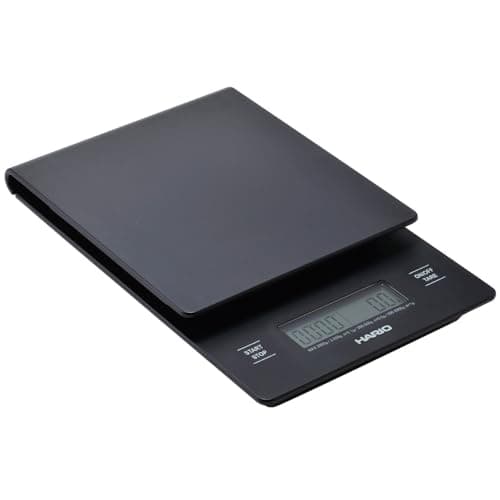
Starting ratios by brew method, with each maker's own published figures separated from the numbers commonly attributed to them.
Top pick: Hario V60 Drip Scale
Start with the dialing-in guide. Sour usually means under-extraction - grind finer, or check the shot is not running too fast. Bitter and drying usually means over-extraction - grind coarser or shorten the shot. Change one variable at a time and write down what you changed.
No, and we say so on every page. We compile published specifications from manufacturer documentation, do the arithmetic, and report what large-scale owner consensus says. We do not run a test lab and we never write 'in our testing' about equipment we have not tested.
It depends almost entirely on your water hardness and how much you brew, which is why a single interval quoted in months is unhelpful. The descaling guide walks through how to work out your own interval and what happens if you leave it too long.
That particle size distribution is upstream of nearly everything else. Temperature, pressure and technique all matter, but they operate on whatever the grinder handed them. Understanding that one relationship reorders most buying decisions.
Elsewhere on the site
The parts of a coffee setup are not independent. These are the sections this one connects to most.