The short answer
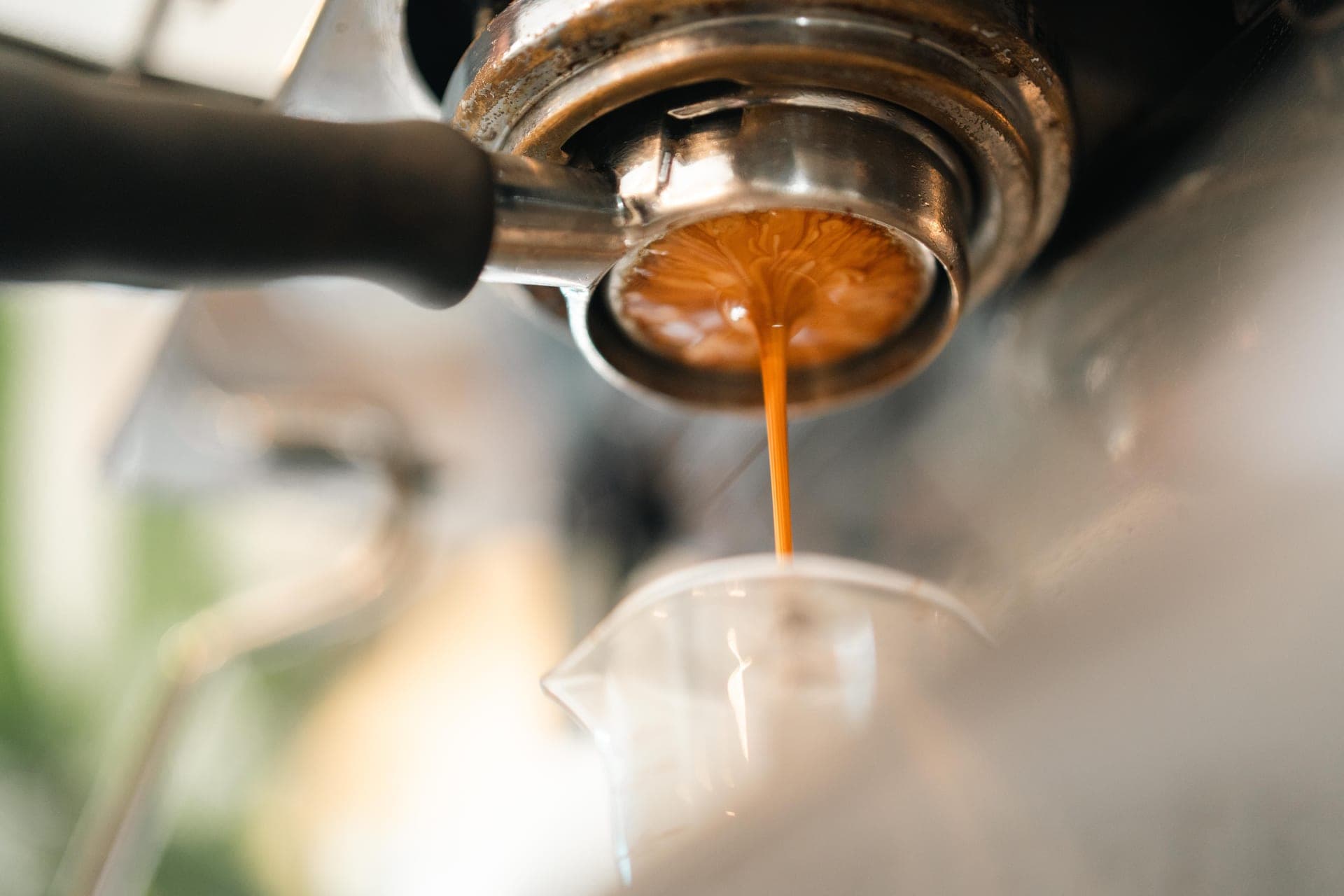
Espresso is brewed hot under around 9 bar of pressure in under a minute, giving a concentrated, intense shot with crema. Cold brew steeps in cold water for many hours, giving a smooth, low-acid coffee or concentrate. They need completely different equipment: an espresso machine and grinder, or a simple cold brew jug.
How each is made
Scroll the table sideways to see every column.
Quick picks
The answer first. Tap any row to jump to the full reasoning for that pick.
Prices shown are checked daily against the retailer, as of October 25, 2026. We never write a price into the text of a page.
| # | Product | Best for | Award | Price |
|---|---|---|---|---|
| 1 | 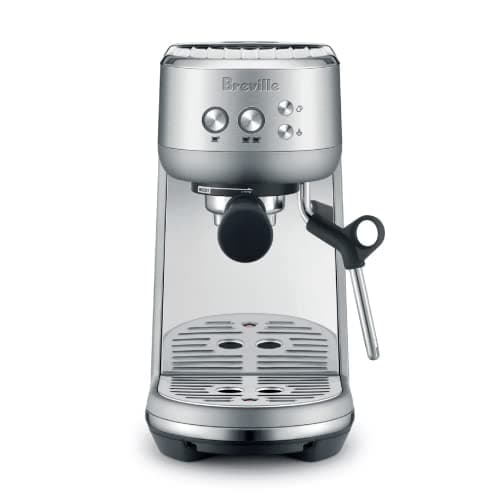 | Espresso and milk drinks at home | For espresso | |
| 2 | 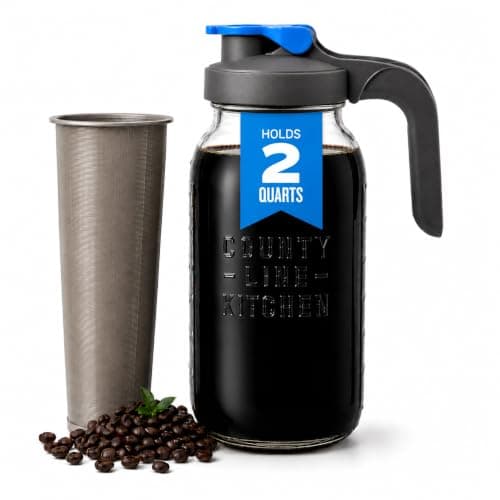 | Someone who drinks cold brew most days | For big-batch cold brew | |
| 3 | 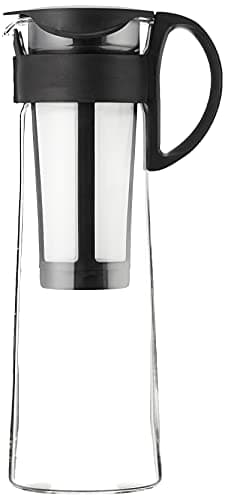 | Trying cold brew with the least equipment | For ready-to-drink cold brew |
1. For espresso
Breville Bambino
Entry tier · A compact 54 mm espresso machine with a manual steam wand and no grinder.
9 bar extraction and a steam wand, ready in about three seconds.
The Bambino is a compact pump machine: low-pressure pre-infusion followed by 9 bar extraction, a 54 mm portafilter with an 18 g dose, and a ThermoJet heater ready in about three seconds.
Its manual steam wand makes the milk drinks - cappuccinos, flat whites, iced lattes - that espresso is the base for.
It needs a grinder that reaches espresso fineness, which is part of the cost of espresso that cold brew does not have.
See is the Bambino worth it for the full case.
Specification
- Portafilter
- 54 mm, 18 g dose
- Heating
- ThermoJet, ready in 3 seconds
- Extraction
- Low-pressure pre-infusion, then 9 bar
- Footprint
- 11.9 x 6.1 x 13.5 in
- Grinder
- None - buy separately
What it does well
- Three-second heat-up means it is genuinely usable on a weekday
- The narrowest footprint of any machine here
- Real steam wand you control yourself
Where it gives ground
- No grinder, so the real budget is machine plus grinder
- Manual milk texturing has a learning curve
- Small tank means frequent refills if you pull several drinks
Skip it if
Skip it if you want a fridge full of coffee ready to pour. That is cold brew's job.
2. For big-batch cold brew
County Line Kitchen Cold Brew Maker 64 oz
Budget tier · A 64 oz wide-mouth mason jar with a stainless mesh filter basket, for immersion cold brew you steep and lift.
A 64 oz jar with a steel basket - two quarts per session.
The County Line Kitchen brewer is a 64 oz wide-mouth mason jar with a heavy-gauge stainless mesh basket holding the grounds.
Steep 24 to 48 hours and lift the basket out; about 1.5 qt is left, which is several days of drinks from one session.
Strength is set by your ratio rather than by the hardware - brew heavy and dilute per glass, or brew lighter and drink it straight.
The steel filter means no paper or cloth to buy, and the flip-cap lid pours straight from the fridge.
Specification
- Capacity
- 64 oz / 2 quarts
- Filter
- Heavy-gauge food-grade stainless steel mesh basket
- Jar
- Wide-mouth soda-lime glass mason jar
- Lid
- Leak-proof, with a flip-cap pour spout
- Steep
- 24-48 hours; removing the basket leaves about 1.5 qt
- Size
- 6.25 x 4.25 x 10.25 in
What it does well
- A two-quart batch for a fraction of what engineered cold brewers cost
- The filter basket lifts straight out, so there is no draining step to wait for
- Nothing to break but the jar, and nothing proprietary to replace
Where it gives ground
- Glass, in a fridge, around other glass
- No brew-release valve - you lift a wet basket out and find somewhere to put it
- Strength is entirely down to your ratio; there is no concentrate setting to follow
Skip it if
Skip it if you drink cold brew only occasionally. Two quarts is a lot of coffee to commit at once.
3. For ready-to-drink cold brew
Hario Mizudashi Cold Brew Pot
Budget tier · A one-piece fridge jug with a mesh basket - the simplest cold brewer that works.
A 1,000 ml fridge jug that brews in 8 to 12 hours.
The Mizudashi is a 1,000 ml glass jug with a mesh filter basket holding up to 80 g of coarsely ground coffee, steeped for 8 to 12 hours.
What comes out is ready to drink over ice, with no dilution step.
It fits in a fridge door and pours from the vessel it brews in.
It is the simplest way to find out whether you like cold brew at all - see cold brew makers.
Specification
- Capacity
- 1,000 ml
- Dose
- Up to 80 g of coarsely ground coffee
- Steep time
- 8-12 hours
- Type
- Ready to drink
What it does well
- Cheapest genuinely good cold brewer, by a wide margin
- Fits in a fridge door and pours from the same vessel it brews in
- Three parts total - jug, lid, filter basket
Where it gives ground
- Fine mesh only, so a grinder producing lots of fines will show in the cup
- 1 L is one or two days of iced coffee, not a week
- Glass, in a fridge, among other things
Skip it if
Skip it if you drink a lot of cold brew. A 1 L jug is a day or two, not a week.
How they taste
Hot water under pressure extracts quickly and intensely, pulling out bright acidity, sweetness and bitterness together, and emulsifying oils into crema.
Cold water extracts differently. Many compounds responsible for perceived acidity and bitterness dissolve far less at low temperature, so cold brew tastes smooth and round - and flatter, because the bright notes stay behind.
Strength
Espresso is concentrated per sip: a shot is small and intense. Cold brew concentrate is strong too, but it is diluted per glass, so the drink is as strong as you make it.
What each needs
- Espresso: a machine, a grinder that reaches espresso fineness, and ideally a scale - see the beginner setup.
- Cold brew: a jug or brewer, coarse coffee, water and time - see cold brew makers.