Best for Espresso
The Best Coffee Beans for Espresso (2026)
What to look for on the bag, what Robusta really does for crema, and six bags worth buying.
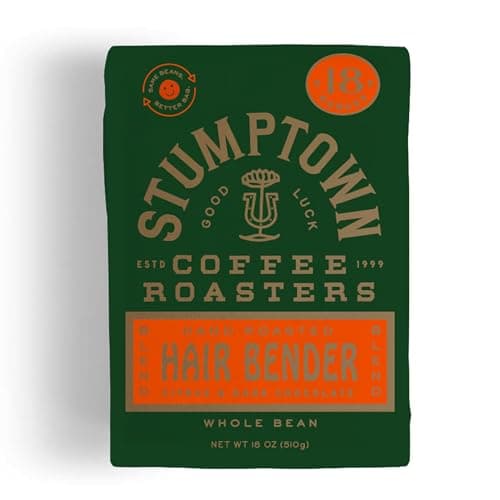
Top pick: Stumptown Hair Bender
Crema & Grind
A deliberately small section. Beans are the one part of the setup you re-buy forever, so the choice matters more than the equipment does.
Start here
Most people arrive here for one of two reasons. Pick the one that describes you.
Upgrading a setup
You already own the entry gear and one part of it is holding the rest back. Start with the picks below, then read how to dial in espresso before buying anything.
Buying for someone else
Coffee gear is unusually fitment-dependent, and the wrong size is unusable. Our gift guides are organized around what you do and do not know about their setup.
This is a small section on purpose. Coffee beans are seasonal, regional and enormously personal, and a site that tried to rank them definitively would be pretending to a certainty nobody has. What we can do usefully is explain the handful of variables that decide whether a bag will work in your setup, and name a small number of blends that are consistently available and consistently competent.
Coffee releases carbon dioxide for days after roasting and then slowly stales. A bag roasted two weeks ago from an unremarkable roaster will usually make better coffee than an exceptional bag roasted four months ago. This matters more for espresso than for filter, because carbon dioxide interferes with extraction under pressure and stale coffee produces a thin, fast-running shot no grind adjustment can rescue. Look for a printed roast date. A best-before date is not a roast date, and its absence tells you what the roaster thinks you should be paying attention to.
A blend is built for consistency and for a specific job - most espresso blends are assembled to be sweet, forgiving and stable under pressure. A single origin is built to show you a place, which means it may be bright, acidic and much less forgiving of a grind setting that is slightly off. For a home espresso setup, especially with milk, a blend is usually the better answer. For pour-over, where you can taste more of the detail, a single origin is where the interest lives. Neither is a quality tier; they are different products.
Traditional Italian espresso blends contain Robusta alongside Arabica, and Robusta produces noticeably thicker, longer-lasting crema. That is why so many entry-level espresso blends contain it, and why an all-Arabica specialty coffee can look disappointing in the cup even when it tastes better. Lavazza Super Crema is 60/40 Arabica and Robusta and behaves exactly as that composition suggests. If crema is what you are chasing, this is the lever - but understand you are choosing appearance and body over clarity.
Darker roasts are more soluble and more forgiving, which is why they dominate supermarket espresso. Lighter roasts are denser and harder to extract, which means they demand a finer grind, a more stable brew temperature and a grinder with the resolution to find the setting. If you own an all-in-one machine with a sixteen-step grinder, a light Nordic roast will fight you. Match the bean to the setup you have, not to the setup you read about.
An airtight container away from heat and light, at room temperature, and buy in quantities you will finish in two to three weeks. Do not store beans in the freezer in a bag you open repeatedly - the condensation from each opening does more damage than the ambient staling you are trying to prevent. A 2.2 lb bag is excellent value and a poor idea for a single person unless you decant and seal.
Best coffee beans for espresso covers what to look for and names specific bags; best espresso beans is the shortlist itself. If you brew filter rather than espresso, the best beans for pour-over is the list that applies - a cone wants lighter, washed coffees than a basket does. If you brew in a press, the best beans for French press is the one that applies - a metal filter keeps the oils, so immersion wants chocolate and body where a cone wants clarity. If you are here because your shots are inconsistent, the beans are probably not the problem - dialing in is where to look first.
Coffee Beans
Each page below is a full write-up rather than a list. The top pick and its price check sit on the card so you do not have to click through to act.
Best for Espresso
What to look for on the bag, what Robusta really does for crema, and six bags worth buying.
Top pick: Stumptown Hair Bender
Best Espresso Beans
Five consistently available bags, matched to what your equipment can actually handle.
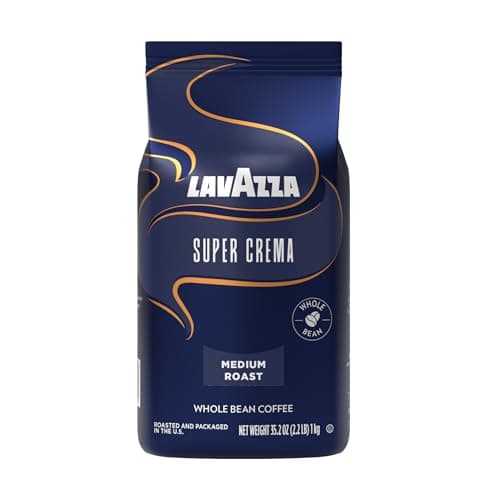
Top pick: Lavazza Super Crema
Best for Pour-Over
Why filter coffee wants lighter, washed coffees than espresso does, and four bags that suit a V60, Chemex or Kalita.
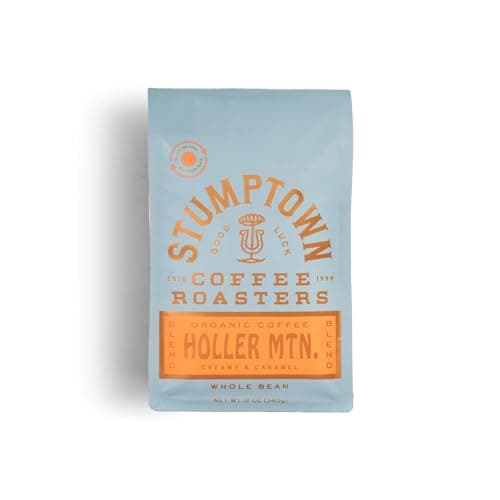
Top pick: Stumptown Holler Mountain
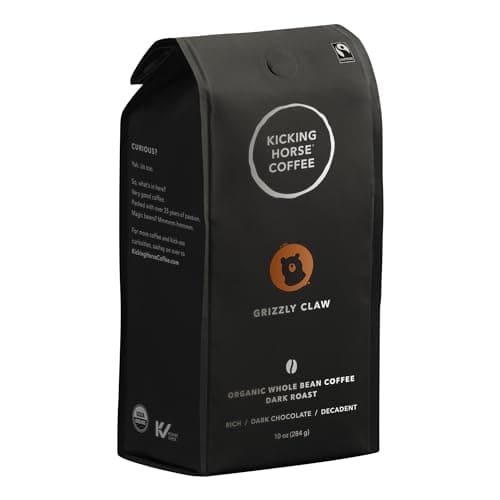
Best for French Press
Why immersion wants medium-dark and chocolate-forward coffee rather than bright washed light roasts, with four bags that fit.
Top pick: Kicking Horse Grizzly Claw
Best Coffee Beans
Whole-bean coffee sorted by roast level and palate, with the dark oily bag that is wrong for hand grinders and pour-over.
Top pick: Stumptown Hair Bender
Nothing intrinsic. Any coffee can be brewed as espresso. Beans labeled for espresso are usually blends roasted a little darker and built for sweetness and body under pressure, but the label is a recommendation about roast profile, not a different kind of bean.
Look for a printed roast date and aim to use the bag within about a month of it, allowing a few days of rest after roasting for espresso. A best-before date on its own tells you very little about freshness.
A blend, in most home setups. Blends are assembled for consistency and forgiveness under pressure, which matters when your grinder has limited resolution. Single origins reward a setup you can control precisely, and shine more in pour-over.
No, but Robusta does produce noticeably thicker and longer-lasting crema, which is why traditional Italian espresso blends include it. All-Arabica specialty coffee can taste better while looking less impressive. It is a trade between appearance and clarity.
Elsewhere on the site
The parts of a coffee setup are not independent. These are the sections this one connects to most.