The short answer
For pour-over, buy a light or medium roast, prefer washed processing, and buy it with a printed roast date. The best all-round bag is Stumptown Holler Mountain - a certified organic medium roast the roaster builds for drip as well as espresso. For the most transparent cup, Intelligentsia House Blend is a washed light roast from Colombia and Guatemala. For certifications at a lower price, Kicking Horse Three Sisters names pour-over itself. Avoid dark roasts: a cone dripper exists to show acidity and origin detail, and dark roasting removes exactly that.
Pour-over wants the opposite of what espresso wants
This is the whole reason this page is separate from the espresso bean list. The two methods reward different coffees, and buying an espresso blend for a V60 is one of the most common mismatches in home coffee.
Espresso is 25 to 30 seconds of water at nine bar through a fine, compressed bed. It concentrates everything, including sourness, so espresso blends are roasted a little further to be sweet and forgiving under pressure.
Pour-over is three minutes of water moving through a loose bed at atmospheric pressure, through paper that removes oils and fines. It does not concentrate; it clarifies. So it rewards coffees with acidity and aromatic detail worth clarifying - which means lighter roasts.
Scroll the table sideways to see every column.
Quick picks
The answer first. Tap any row to jump to the full reasoning for that pick.
| # | Product | Best for | Award | Price |
|---|---|---|---|---|
| 1 | 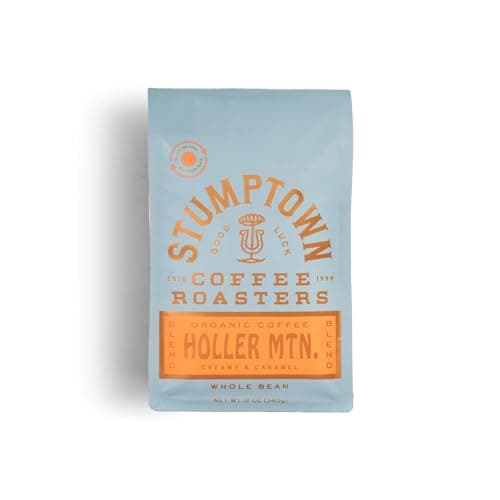 | A daily pour-over bag that does not demand perfect technique | Top pick | |
| 2 | 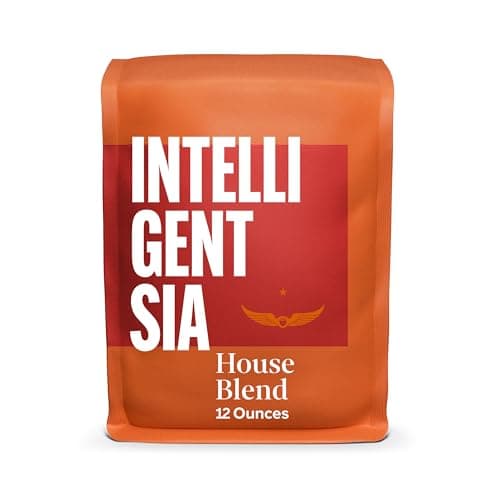 | Hearing what your brewer and your grinder are actually doing | Best for clarity | |
| 3 | 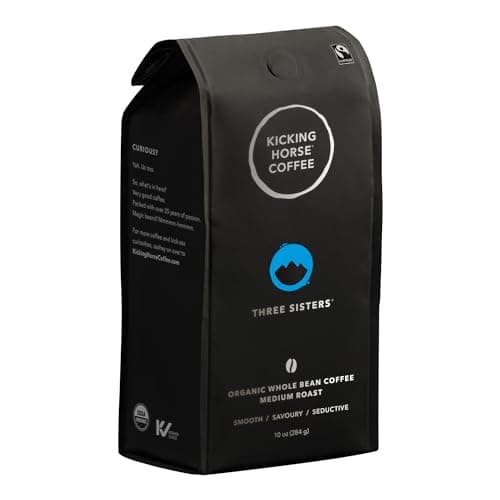 | Certifications and a realistic bag size without specialty pricing | Best certified option | |
| 4 | 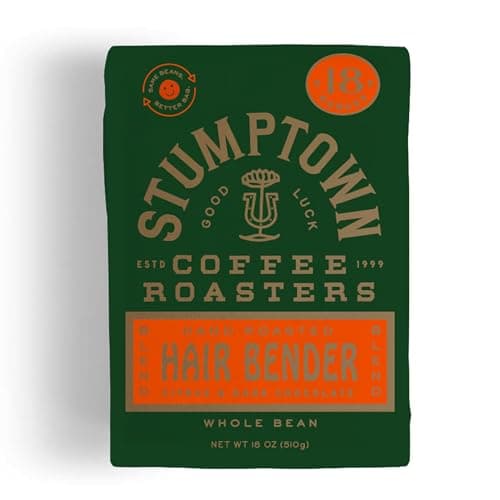 | A household that brews filter and pulls shots from the same bag | Best one bag for both methods | |
| 5 | Peets Major Dickasons BlendA good dark roast, and dark roast removes the detail a cone is for. | French press or a drip machine, where it is genuinely good | Skip this for pour-over |
1. Top pick
Stumptown Holler Mountain
Specialty tier · A certified organic medium-roast blend the roaster builds for both drip and espresso.
A certified organic medium roast the roaster builds for drip as well as espresso.
Holler Mountain is a medium-roast blend of Central and South American coffees with East African coffee, certified organic, with published notes of citrus, caramel and berry jam.
It is the pick because of where it sits on the roast scale. Medium is the forgiving end for a cone: light enough that a V60 or Chemex can show the citrus and the berry, dark enough that a slightly cool pour or a slightly coarse grind does not leave the cup thin and sour.
Stumptown states it has the complexity to pull a great espresso and the versatility to serve as a daily drip cup, and publishes brewing guidance for drip and AeroPress alongside espresso. That is unusually explicit, and it is the reason this bag works on a brewer rather than in spite of one.
The caramel is what makes it easy to live with. Sweetness carries the fruit instead of competing with it, which is what separates a bag you brew every morning from one you admire occasionally.
It costs several times a supermarket bag, and the 12 oz size means reordering often if pour-over is daily. The berry note is also the first thing to disappear if your water is too hot - see how to brew pour-over.
Specification
- Roast
- Medium
- Origins
- Central and South America blended with East Africa
- Notes
- Citrus, caramel, berry jam
- Certification
- Certified organic
- Bag sizes
- 12 oz and 5 lb
What it does well
- The roaster publishes brewing guidance for drip and AeroPress as well as espresso
- Organic certification at a specialty roaster that prints roast dates
- Caramel sweetness carries the fruit rather than fighting it
Where it gives ground
- Costs several times a supermarket bag
- 12 oz means reordering often if pour-over is daily
- The berry note is easy to lose if the water is too hot
Skip it if
Skip it if you want the brightest, most transparent cup a cone can make - a light washed coffee goes further in that direction.
2. Best for clarity
Intelligentsia House Blend
Specialty tier · A washed light-roast blend of Colombian and Guatemalan coffees.
A washed light roast, which is the combination a cone dripper exists to show you.
House Blend is a light roast, washed, drawing on coffees from Colombia and Guatemala, with published notes of orange, red apple and caramel.
Two things make this the clarity pick. Light roasting leaves more of the coffee's own acidity and aromatics intact rather than replacing them with roast character, and washed processing strips the fruit pulp before drying, which produces a cleaner, more transparent cup than natural processing does.
Put a washed light roast through a paper-filtered cone and you get the most legible cup available at this price. It is also the bag that will tell you most honestly whether your grinder is good - unevenness shows up as sourness here in a way it does not in a dark roast.
It is priced below most light specialty blends, which makes it a reasonable place to find out whether you actually like light roasts before committing to single origins.
Light roasts are denser and less soluble, so they want hotter water and a finer grind than a medium roast. On a coarse-stepped grinder this bag will fight you, and the result reads as thin and sour rather than bright.
Specification
- Roast
- Light
- Origins
- Colombia and Guatemala
- Process
- Washed
- Notes
- Orange, red apple, caramel
- Bag size
- 12 oz
What it does well
- A light washed blend is the easiest way to hear what a cone dripper does
- Washed process means clarity rather than ferment
- Priced below most light specialty blends
Where it gives ground
- Light roasts need hotter water and a finer grind than dark ones
- Too bright for anyone coming straight from supermarket dark roast
- A coarse-stepped grinder will struggle to find its setting
Skip it if
Skip it if you are coming straight from supermarket dark roast. The acidity is a genuine adjustment, not an acquired flaw.
3. Best certified option
Kicking Horse Three Sisters
Everyday tier · An organic Fairtrade blend of light, medium and dark roasts the roaster recommends for pour-over.
Organic, Fairtrade and kosher, and the roaster names pour-over itself.
Three Sisters is organic, Fairtrade and kosher, sourced from Central and South America, with published notes of stone fruit and cocoa and an aroma the roaster describes as sweet dried fruit, toasted coconut and chocolate malt.
Kicking Horse names French press, drip and pour-over as the methods for it. That matters more than it sounds: most bags at this price say nothing about brew method at all, and a roaster naming the cone is a roaster who built the profile for it.
It is a blend of light, medium and dark roasts rather than one roast level, which is the trade here. You get balance and a bag that is hard to brew badly; you give up some of the transparency a single roast level would offer.
The 10 oz size is the practical advantage over bulk bags. It is an amount a one-person household finishes while it is still fresh, which matters more to the cup than almost any other variable.
Roast dates are typically less recent than a specialty roaster shipping direct, and on a coarse grind the cocoa tends to dominate the stone fruit it is sold on.
Specification
- Roast
- A blend of light, medium and dark roasts
- Origins
- Central and South America
- Notes
- Stone fruit and cocoa; aroma of dried fruit, toasted coconut, chocolate malt
- Certifications
- Organic, Fairtrade, kosher
- Brew methods named by the roaster
- French press, drip and pour-over
- Bag sizes
- 10 oz and 2.2 lb
What it does well
- The roaster names pour-over itself, which most supermarket bags do not
- Three certifications at well under specialty pricing
- The 10 oz bag is a realistic amount to finish fresh
Where it gives ground
- Roast dates are less recent than a specialty roaster shipping direct
- Blending three roast levels trades clarity for balance
- The cocoa note dominates the stone fruit on a coarse grind
Skip it if
Skip it if transparency is the goal. Blending three roast levels is designed to do the opposite.
4. Best one bag for both methods
Stumptown Hair Bender
Specialty tier · A medium-roast blend built to work as espresso and as filter.
Genuinely good as pour-over and as espresso, which very few blends manage.
Hair Bender is a medium roast blending Central and South American, East African and Indonesian coffees, 100 percent Arabica, with published notes of sweet citrus, dark chocolate and raisin.
It is on this list for a specific household: one grinder, one bag, and both methods in the same week. Most blends built for espresso are too developed to be interesting in a cone, and most filter coffees are too bright to be pleasant as a shot. This one is a genuine exception.
In a cone the citrus comes forward and the chocolate recedes, which is close to the opposite of how it reads as espresso. That is normal - the same coffee through a paper filter at a 1:16 ratio is a different drink from 9 bar through a basket.
Buying one bag for both methods also means buying fresher coffee, because you get through it faster. Two half-used bags going stale is a worse outcome than one slightly compromised choice.
It is the most expensive bag here per ounce, and if you only ever brew filter, the two picks above are better suited to a cone. It is also the one bag on this page that also appears on the espresso list, which is exactly why it is here.
Specification
- Roast
- Medium
- Origins
- Central and South America, East Africa, Indonesia
- Notes
- Sweet citrus, dark chocolate, raisin
- Beans
- 100 percent Arabica
What it does well
- One of the few blends that is genuinely good both as espresso and as pour-over
- Roast dates are recent and printed on the bag
- The fruit is present without being sour
Where it gives ground
- Costs multiples of a supermarket kilo bag
- 12 oz bags mean ordering often
- The acidity will surprise anyone coming from dark-roast blends
Skip it if
Skip it if pour-over is all you make. You are paying for espresso versatility you will not use.
5. Skip this for pour-over
Peets Major Dickasons Blend
Everyday tier · A dark-roast blend of Latin American and Indo-Pacific beans.
A good dark roast, and dark roast removes the detail a cone is for.
Major Dickason's is a well-made dark roast blending Latin American and Indo-Pacific beans, 100 percent Arabica, with published notes of earth and spice, dark chocolate and toasted nuts.
It is here as the one to skip for pour-over specifically, and the reason is not quality. A cone dripper with a paper filter is a tool for showing acidity, origin character and aromatic detail. Dark roasting replaces most of that with roast flavor.
So the brewer and the bag are working against each other. You have bought equipment to reveal detail and then bought coffee in which the detail has been roasted away - and the money you spent on a gooseneck kettle and a decent grinder buys you nothing.
Dark roasts also go flat faster once opened, because they are more porous and give up aromatics more readily. The window in which the bag is at its best is short.
For French press, where body matters more than clarity, or for a drip machine, it is a genuinely good bag and worth buying there. It is the brewer pairing that is wrong, not the coffee.
Specification
- Roast
- Dark
- Origins
- Latin America and Indo-Pacific
- Notes
- Earth and spice; dark chocolate, toasted nuts
- Beans
- 100 percent Arabica
What it does well
- Dark, heavy and completely unambiguous - it is what it says
- Cuts through milk better than most medium roasts
- Widely stocked, so restocking is never a project
Where it gives ground
- Dark roasts go flat quickly once opened
- Oily beans are hard on grinder burrs and chutes
- No origin character to speak of - that is the point, but it is a limit
Skip it if
Skip it for pour-over. Buy it happily for a French press or a drip machine.
Washed or natural, and why it matters here
Processing is the step after picking, and it changes the cup as much as roast level does. Washed coffees have the fruit pulp removed before drying, which produces a cleaner, more transparent result. Natural coffees dry inside the fruit, which pushes heavy berry and sometimes ferment flavors into the bean.
For a cone dripper, washed is the safer buy and the better teacher. It gives you a clean baseline against which you can hear what your grind and your pour are doing. Naturals are worth exploring once your brewing is repeatable, because they are loud enough to mask technique.
Roasters do not always print the process. When they do, it is a useful signal about how much attention the coffee got.
Single origin is where pour-over pays off
A blend is assembled for consistency - the same cup from bag to bag, season after season. A single origin is assembled to show you one place, which means it can be distinctive and also less forgiving.
For espresso, a blend is usually the better answer. For pour-over, the calculation flips: you have bought a brewer that reveals detail, and a single origin is where the detail lives. The bags above are blends because they are consistently available and consistently competent, which is what a recommendation has to be - but once you have a routine that works, single origins are the reason to own a cone at all.
What your grinder has to do
Pour-over needs a medium-coarse grind that is even. Evenness matters more here than in any method except espresso, because water in a cone finds the path of least resistance: a bed with both boulders and dust extracts unevenly, and the cup reads as simultaneously sour and bitter.
This is also where light roasts become demanding. They are denser and less soluble, so they need a finer grind and hotter water to give up their sweetness. On a blade grinder a light roast will taste thin and sour and the bag will get blamed - see grinders for pour-over for what the method actually needs.
Roast date and bag size, briefly
Roast date still beats origin for most people, and the argument is made in full on the espresso bean page. For filter it is marginally less critical than for espresso - stale coffee does not wreck a pour-over the way it wrecks a shot - but fresh coffee is still the cheapest upgrade available.
Buy a size you will finish within two to three weeks of opening. A 2.2 lb bag is excellent value and a poor idea for one person, which is why the 10 and 12 oz bags above are the sizes listed rather than the bulk options most of these roasters also sell.