Best Overall
The 8 Best Espresso Machines for Home (2026)
The main shortlist: eight machines, each matched to a specific weakness in a home setup, plus one we would not buy.
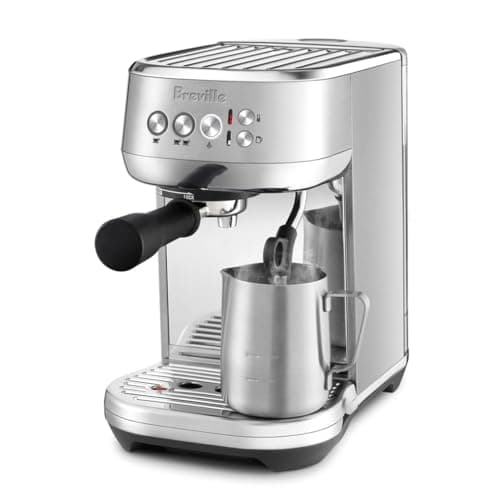
Top pick: Breville Bambino Plus
Crema & Grind
The machine is the visible half of the setup and usually the less important one. Here is how to work out which half you are actually upgrading.
Start here
Most people arrive here for one of two reasons. Pick the one that describes you.
Upgrading a setup
You already own the entry gear and one part of it is holding the rest back. Start with the picks below, then read how to dial in espresso before buying anything.
Buying for someone else
Coffee gear is unusually fitment-dependent, and the wrong size is unusable. Our gift guides are organized around what you do and do not know about their setup.
Most home espresso setups have exactly one weak component, and it is almost never the one the owner wants to replace. If your shots are inconsistent from day to day, the machine is rarely the reason. If they are consistently sour or consistently harsh, the machine is rarely the reason either. What the machine controls is temperature stability, pressure delivery and steam capacity. What the grinder controls is everything about how the water meets the coffee. That division decides where your money should go, and it is the frame this whole section is built on.
Basket size comes first because it is the one thing you cannot change later. A 58 mm machine takes commercial baskets, commercial tampers, commercial bottomless portafilters and any distribution tool made in the last twenty years. A 54 mm machine - which is most of the Breville range - has a healthy but smaller accessory market. A 51 mm machine is close to a dead end. That is not a quality judgment about the espresso; it is a statement about what you will be able to buy in three years.
Boiler architecture comes second. A single thermoblock or thermocoil heats water on demand and cannot brew and steam at the same time. In practice that means a wait of anywhere from twenty seconds to two minutes between pulling a shot and texturing milk, which matters enormously if you make two lattes every morning and not at all if you drink straight espresso. A dual boiler removes the wait entirely and roughly doubles the price. A heat exchanger sits between the two and is largely absent from the Amazon-carried range, which is why you will see less of it here than on sites that link to specialist retailers.
Temperature control comes third and is the one most often oversold. A PID holds brew temperature to a tight band; a bimetallic thermostat does not. On a light roast at a fine grind that difference is audible in the cup. On a dark supermarket blend pulled through a pressurized basket, it is not. Decide honestly which of those you drink before paying for it.
Every grinder-less machine on this page - the Bambino, the Infuser, the Gaggia, the Silvia, the Flair - requires a separate grinder capable of espresso-fine adjustment. That is not an accessory, it is half the purchase, and a machine bought without budgeting for it will underperform a cheaper all-in-one. Conversely, every all-in-one machine bundles a grinder that is the weakest component in the box and cannot be upgraded independently. There is no free option here: you either pay for two machines or you accept a ceiling. Our grinder section exists mostly to make that trade explicit, and the cost-of-ownership guide puts real arithmetic behind it.
The prosumer tier that home-barista forums argue about most - Lelit, Profitec, ECM, La Marzocco - is largely not sold through the retailer this site links to. Rather than write recommendations whose buy button cannot exist, we have kept these pages weighted to the Breville, Gaggia, De Longhi, Rancilio and Flair range that is genuinely available, and we say so plainly rather than pretending the gap is not there.
We do still explain the architecture, because the decision is real even where the buy button is not: heat exchanger versus dual boiler is the layout question that tier turns on. For buying rather than reading, the best setup under $1,000 splits one budget across machine, grinder and scale, and machines with a 58 mm portafilter is the page to read if you care which accessories you will be able to buy later. Three more answer the questions that follow: espresso machines that last on what parts availability actually buys you, the quietest machines for an apartment - where the answer turns out to be the grinder - and the best De'Longhi espresso machines if a single brand already has your attention. The best-built machine we can actually sell you gets its own write-up in the Rancilio Silvia review, including the PID question that decides whether you will enjoy owning one. At the other end of the range, the Barista Express Impress review takes the all-in-one apart: what a 22 lb assisted tamp and automatic dose correction genuinely fix, and the 54 mm ceiling they leave exactly where it was.
Espresso Machines
Each page below is a full write-up rather than a list. The top pick and its price check sit on the card so you do not have to click through to act.
Best Overall
The main shortlist: eight machines, each matched to a specific weakness in a home setup, plus one we would not buy.
Top pick: Breville Bambino Plus
Best under $500
Five machines that make sense in this bracket, with the grinder arithmetic that decides between them.
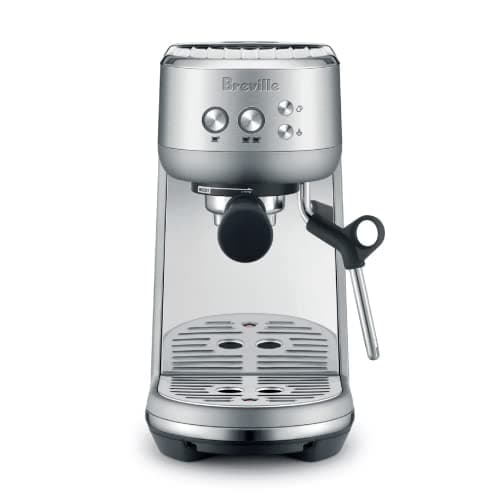
Top pick: Breville Bambino
Best under $1,000
The tier where thermal mass, 58 mm parts and serviceability start to matter more than the feature list.
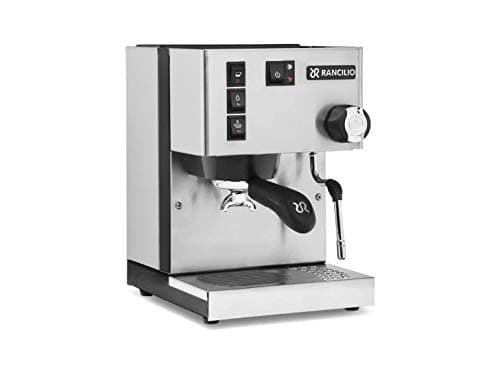
Top pick: Rancilio Silvia
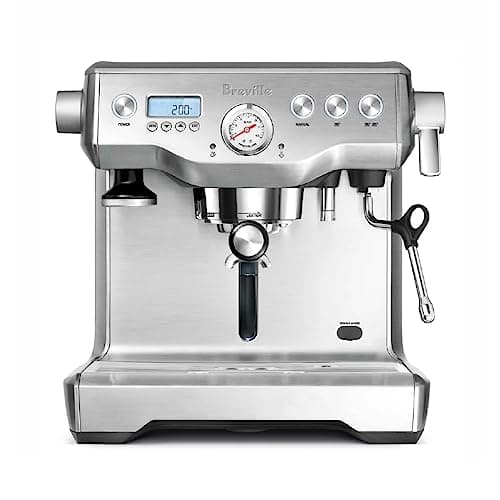
Best Dual Boiler
Who genuinely needs two boilers, which ones you can actually buy, and the cheaper route for everyone else.
Top pick: Breville Dual Boiler
What the E61 group does, why it stays hot, and the Amazon-carried machines that deliver the same underlying benefit.
Top pick: Rancilio Silvia
Best Semi-Automatic
What semi-automatic means, why it is the right format for a home setup, and six machines that do it well.
Top pick: Breville Bambino Plus
Best for Latte Art
Machines with a steam wand you can actually pour with - and why automatic milk texturing disqualifies a machine here.
Top pick: Breville Dual Boiler
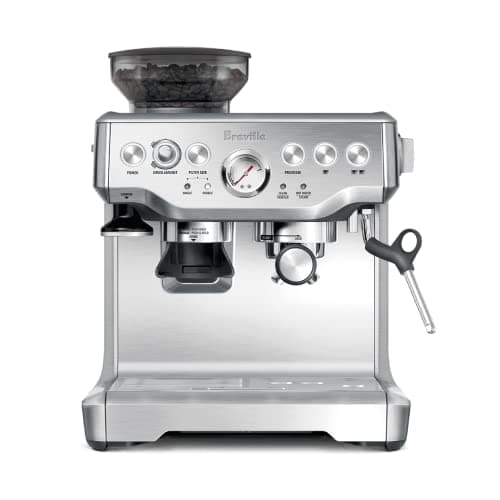
Best for Beginners
First-machine picks chosen for feedback and forgiveness - plus the popular starter machine that hides your mistakes.
Top pick: Breville Barista Express
The most consequential choice in home espresso: an all-in-one, or a machine plus a grinder you choose yourself.
Top pick: Breville Bambino
The espresso hardware is the same. Automatic milk texturing is the whole comparison, and it is a one-way door.
Top pick: Breville Bambino
Convenience against commercial parts. Two genuinely different philosophies at a similar price.
Top pick: Breville Bambino
54 mm, three-second heat-up, automatic milk. What that combination is genuinely good at, and where it stops.
Top pick: Breville Bambino Plus
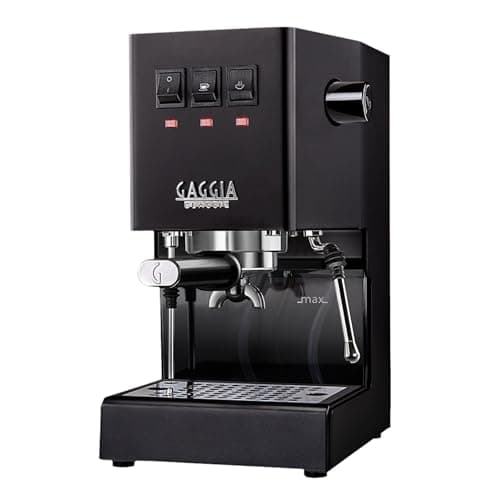
58 mm, a solenoid valve and a professional steam wand, with no PID. What that combination asks of you.
Top pick: Gaggia Classic Evo Pro
One box, PID temperature control, and 16 grind settings that become the ceiling. An honest look at all three.
Top pick: Breville Barista Express
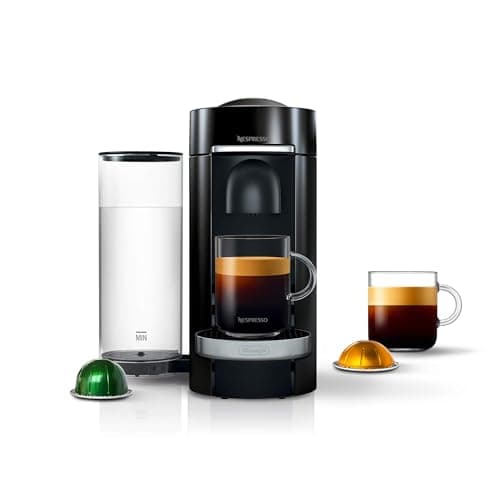
Best Capsule Machine
Vertuo against Original, why the two are not interchangeable, and which machine fits each.
Top pick: Nespresso Vertuo Plus
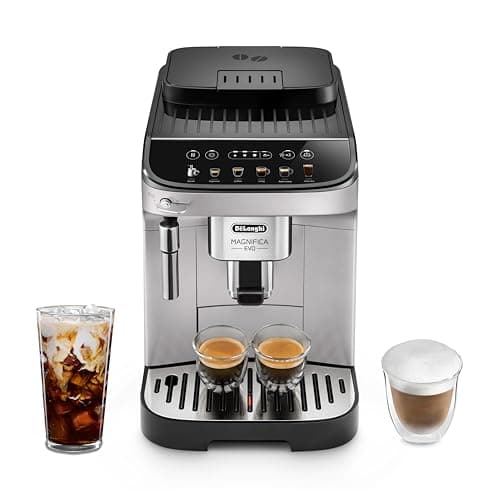
Best Bean-to-Cup
What a sealed brew unit gives you and what it permanently takes away, across three machines.
Top pick: De Longhi Magnifica Evo
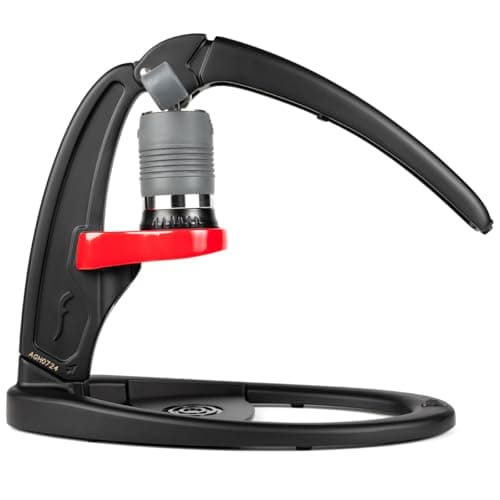
Best Manual Lever
Lever espresso without a pump: what hand pressure gets you, and which press fits which kitchen.
Top pick: Flair Classic
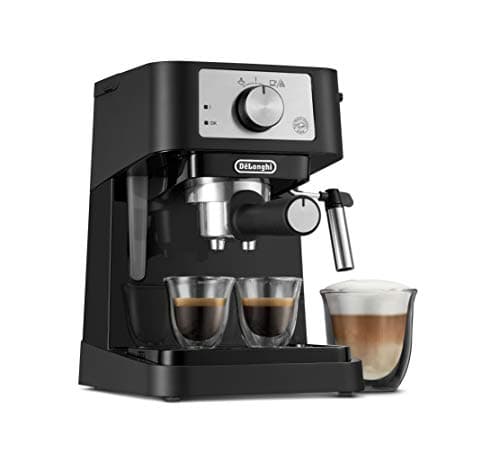
Best under $200
Four genuine options in the hardest espresso bracket, and the grinder problem none of them solves.
Top pick: De Longhi Stilosa EC260
Best Breville
The Breville range decoded: which models add a grinder, which add temperature control, and which add neither.
Top pick: Breville Barista Express
Best All-in-One
Machines that grind, dose and brew in one footprint - and when two appliances is the better answer.
Top pick: Breville Barista Express
Same three-second heater; the choice is a separate grinder or a built-in one, and what each does to your upgrade path.
Top pick: Breville Bambino
Speed and steamed milk against pressure control and the 58 mm ecosystem.
Top pick: Breville Bambino
Thermocoil against ThermoJet, 16 grind settings against 30, and who actually benefits from the upgrade.
Top pick: Breville Barista Express
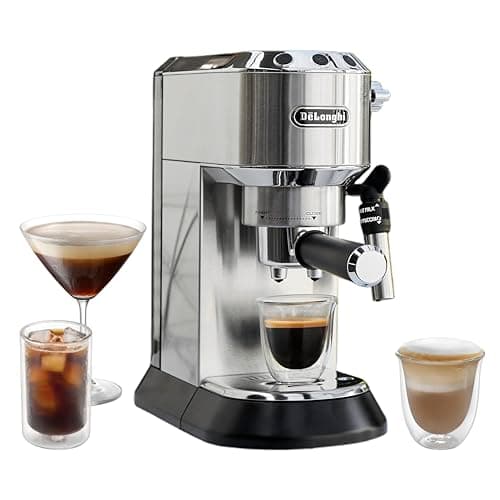
The narrowest pump machine on the site, and the 51 mm, pressurized-basket trade-offs that come with it.
Top pick: De Longhi Dedica EC685
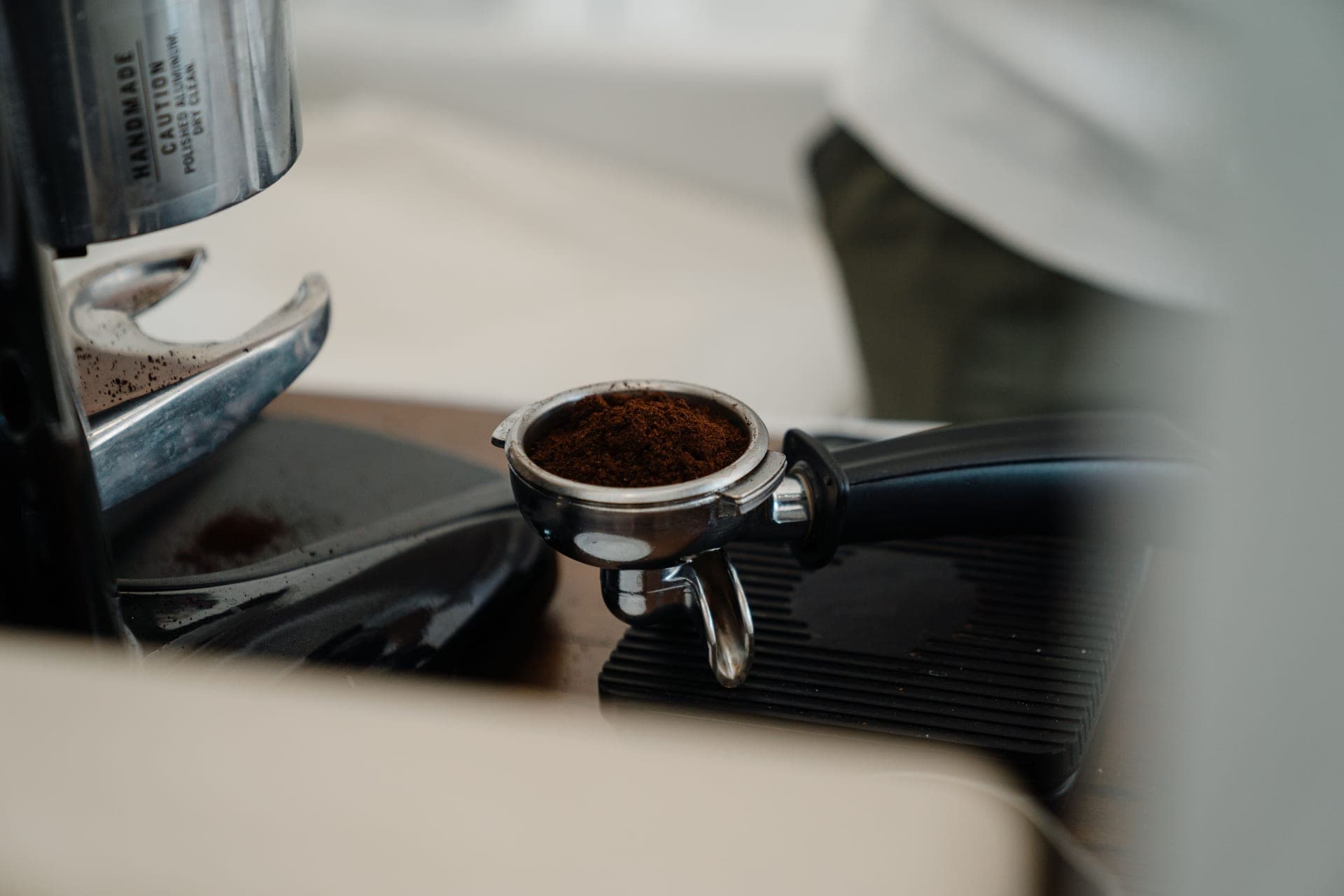
58 mm, a heated brew head and a gauge - what the Flair 58 fixes, and what no lever can.
Top pick: Flair 58
The Bambino's real strengths, the one condition that decides whether it is worth buying, and the alternatives.
Top pick: Breville Bambino
58 mm commercial parts and a temperature routine, against a built-in grinder and PID control.
Top pick: Gaggia Classic Evo Pro
Best Starter Setup
The machine, grinder, scale and tamper that make a first espresso setup work, in the order that matters.
Top pick: Breville Bambino
Boiler size, steam and element power - where the two classic 58 mm single boilers differ.
Top pick: Gaggia Classic Evo Pro
Standard 54 mm baskets and a three-second heater against a 5.9 inch body and pressurized baskets.
Top pick: Breville Bambino
Manual control against touchscreen automation, and whether automatic milk is worth paying for.
Top pick: Breville Barista Express
A focused espresso all-in-one against a 3-in-1 with a built-in scale and assisted tamping.
Top pick: Breville Barista Express
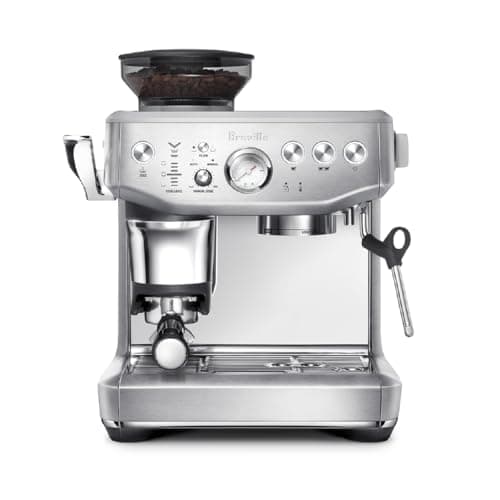
Assisted tamping and dose feedback against the original - and the tamper that closes most of the gap.
Top pick: Breville Barista Express Impress
Nine-bar espresso with automatic milk against barcoded one-touch capsules.
Top pick: Breville Bambino Plus
Best Breville Upgrades
What to buy after a Bambino or Barista Express, depending on what is actually limiting you.
Top pick: Breville Dual Boiler
Automatic milk and a three-second heat-up against 58 mm and a manual wand.
Top pick: Breville Bambino Plus
A heavier-bodied shot and more grind settings against the easiest milk system to clean.
Top pick: De Longhi Magnifica Evo
Spun, barcoded pods and mug coffee against 19-bar espresso and third-party capsules.
Top pick: Nespresso Vertuo Plus
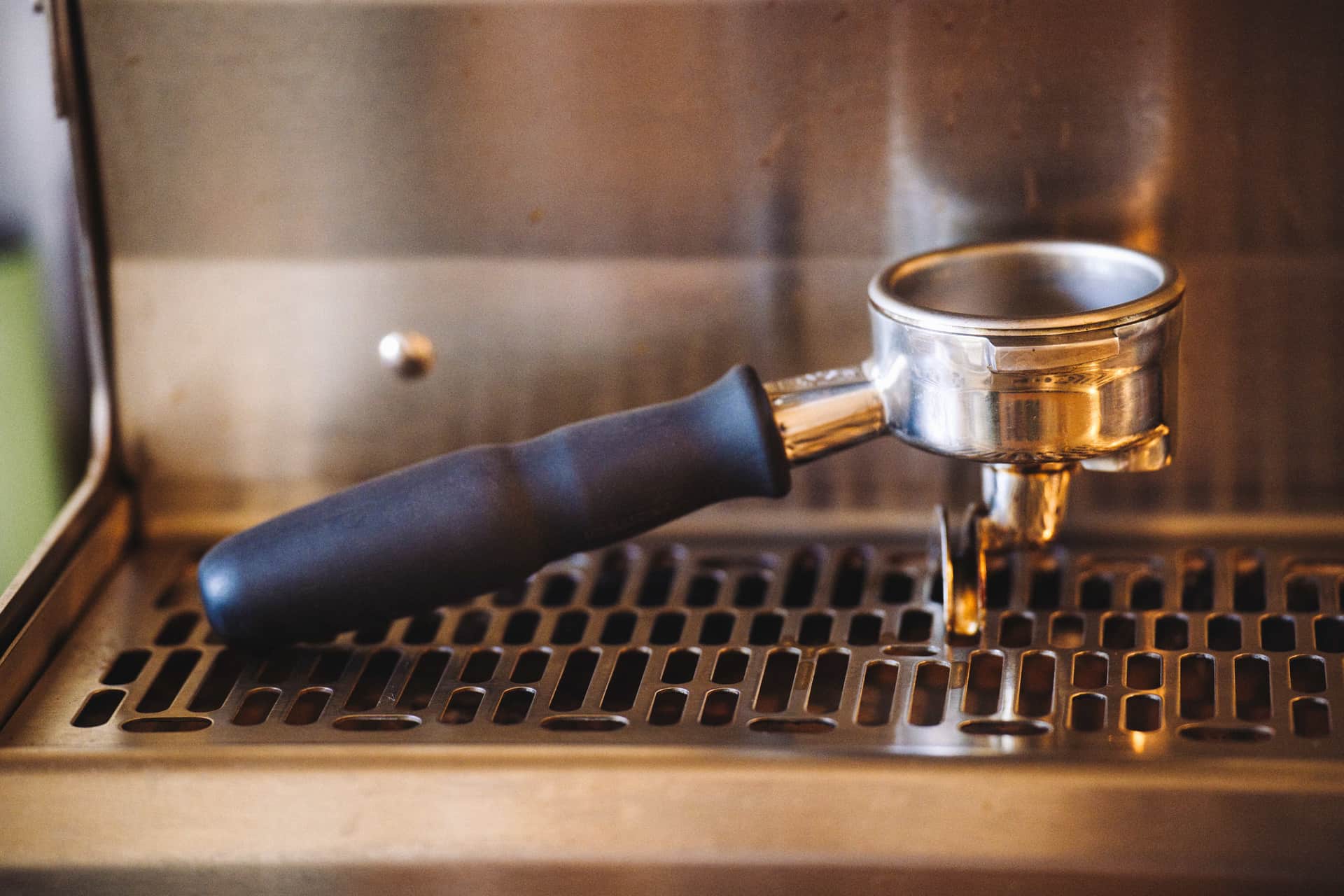
A 58 mm portafilter and electric preheat against a dual-lever press with no electronics.
Top pick: Flair 58
A six-inch-wide thermoblock against a manual steam wand at an entry price.
Top pick: De Longhi Dedica EC685
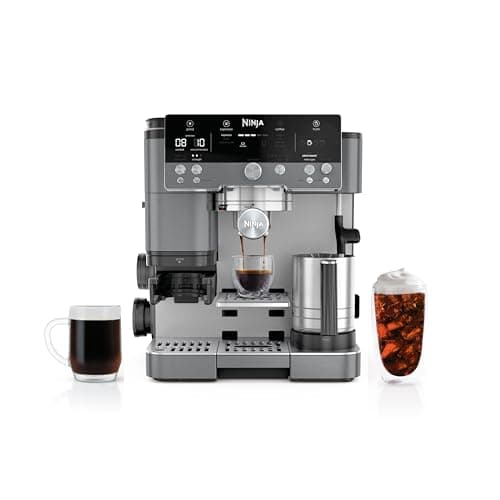
What the Ninja Luxe Cafe Premier does, who it suits, and three alternatives.
Top pick: Ninja Luxe Cafe Premier ES601
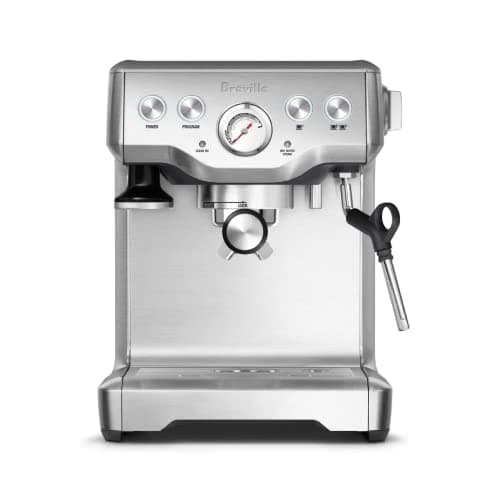
54 mm, PID-controlled thermocoil, a 61 oz tank and no grinder - the Breville for people who already own one.
Top pick: Breville Infuser
15 bar pump, 34 oz tank, manual steam wand, pressurized baskets - the cheapest real espresso machine, limits included.
Top pick: De Longhi Stilosa EC260
A 58 mm serviceable single boiler against the narrowest pump machine sold - ceiling against footprint.
Top pick: Gaggia Classic Evo Pro
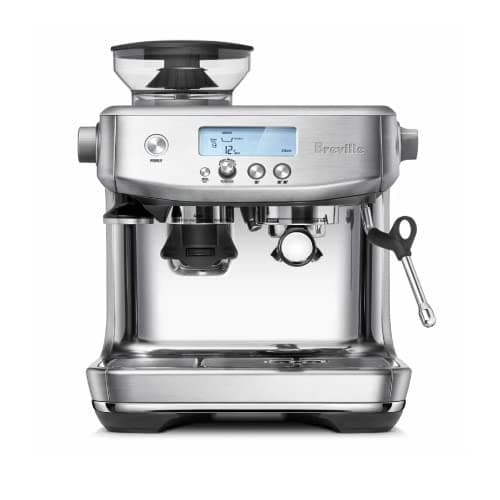
Manual wand and a button panel against automatic milk texturing and eight saved drink profiles.
Top pick: Breville Barista Pro
PID and a 1.8 L tank against ThermoJet speed and automatic milk texturing, both without a grinder.
Top pick: Breville Infuser
Brass, commercial parts and temperature surfing against dual boilers, PID and brewing while you steam.
Top pick: Rancilio Silvia
Steel burrs and 13 grind settings against ceramic burrs and a one-button interface, in the same price band.
Top pick: De Longhi Magnifica Evo
Espresso machines ranked by published footprint - 5.9 in, 6.1 in and smaller - with the trade each one makes.
Top pick: Breville Bambino
The fourth boiler layout, explained: how a heat exchanger works, why it needs a cooling flush, and when a dual boiler is worth the extra.
Top pick: Breville Dual Boiler
Best Setup Under $1,000
How to spend $1,000 on a whole espresso setup rather than one machine - machine, grinder, scale and tamper, in buy order.
Top pick: Breville Bambino Plus
Best 58 mm Machines
Why the commercial 58 mm standard matters for accessories, and which home machines actually use it.
Top pick: Gaggia Classic Evo Pro
Most Repairable
Durability decided by parts availability, boiler material and basket standard - not by brand reputation.
Top pick: Gaggia Classic Evo Pro
Quietest Setup
Why the grinder is the noise problem and the machine is not, and the quietest combination for an apartment or an early start.
Top pick: Breville Bambino
Best De'Longhi
The De'Longhi ladder decoded - Stilosa, Dedica and Magnifica Evo - plus the price point where a Breville is the better buy.
Top pick: De Longhi Magnifica Evo
Brass group, 0.3 L boiler, manual thermostat and no PID - what the Silvia's specification buys, and the two machines that beat it on different axes.
Top pick: Rancilio Silvia
25 grind settings, a 22 lb assisted tamp and dose correction - what the Impress automates, and the two machines that beat it on different axes.
Top pick: Breville Barista Express Impress
Dual stainless boilers, PID on the espresso boiler, a 58 mm 22 g portafilter and low-pressure pre-infusion before 9 bar.
Top pick: Breville Dual Boiler
ThermoJet in three seconds, Baratza burrs on 30 settings, 15 bar pump with low-pressure pre-infusion - and no published brew temperature.
Top pick: Breville Barista Pro
Usually not. Shot-to-shot inconsistency is nearly always grind consistency, dose consistency or puck preparation. A better machine improves temperature stability and steam power, which changes how good a good shot can be - not how often you get one. Fix distribution and grinding first; see our guide on dialing in espresso.
58 mm is the commercial standard, so baskets, tampers, distribution tools and bottomless portafilters are made for it by everyone. 54 mm is Breville's home size with a smaller but healthy accessory market. The espresso itself is not inherently better at either size; the difference is what you can buy later.
Only if you make milk drinks and dislike waiting. A dual boiler brews and steams simultaneously. If you drink straight espresso, or make one latte at a time without hurrying, a single boiler does the same job for far less.
It is a training wheel, not a defect. A pressurized basket creates back-pressure artificially so almost any grind produces something crema-topped. That is genuinely useful with pre-ground supermarket coffee and actively counterproductive once you own a grinder, because it hides what your grind is doing.
Elsewhere on the site
The parts of a coffee setup are not independent. These are the sections this one connects to most.