The short answer
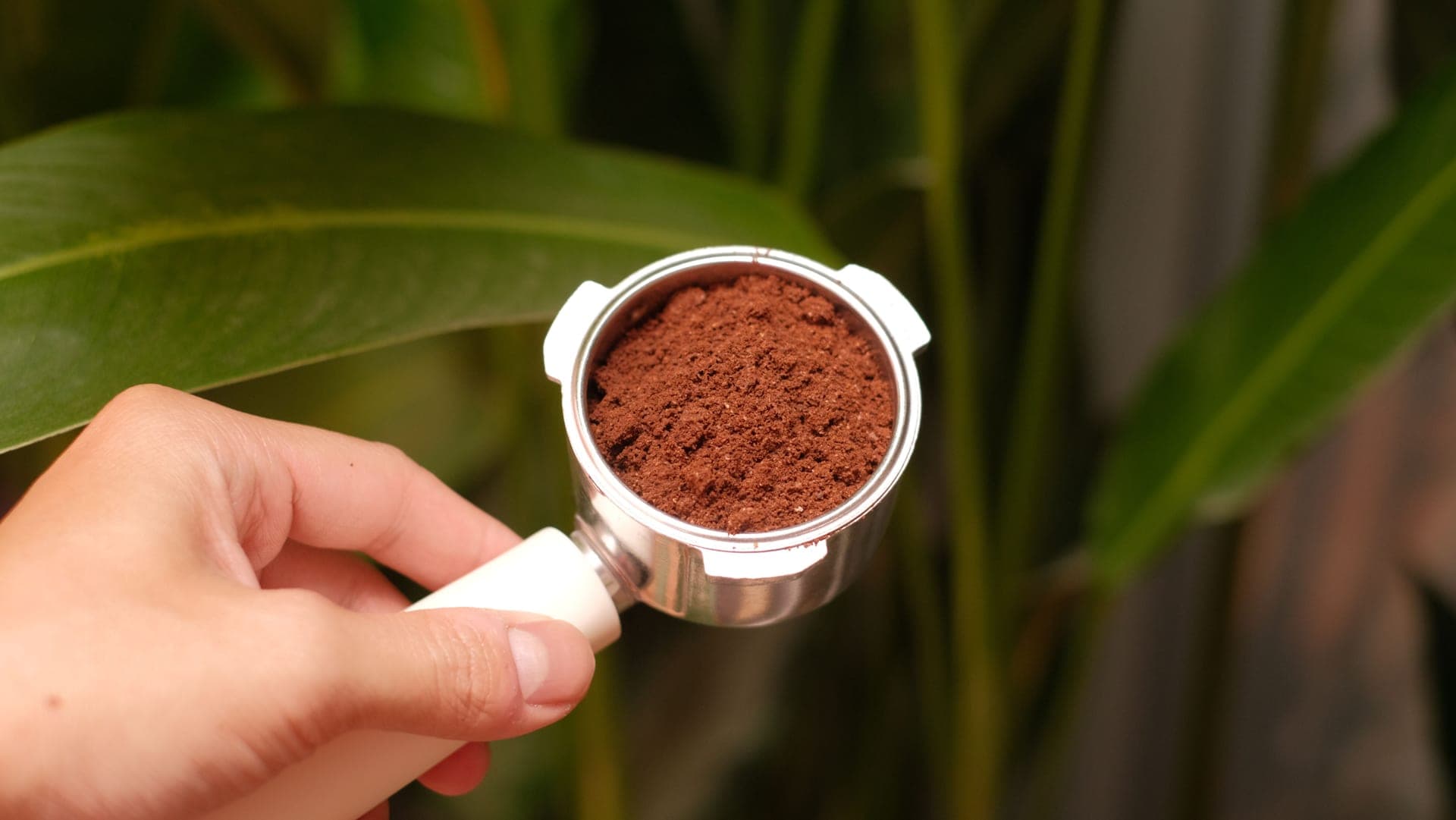
They share the same 40 mm burr platform. The Encore's published range is 250 to 1200 microns - filter-fine at best. The ESP re-gears the collar so steps 1 to 20 move about 20 microns each for espresso and 21 to 40 move about 90 microns each for filter. If you make espresso, buy the ESP. If you never will, buy the Encore and save the difference.
Specification side by side
Scroll the table sideways to see every column.
Quick picks
The answer first. Tap any row to jump to the full reasoning for that pick.
Prices shown are checked daily against the retailer, as of October 23, 2026. We never write a price into the text of a page.
| # | Product | Best for | Award | Price |
|---|---|---|---|---|
| 1 | 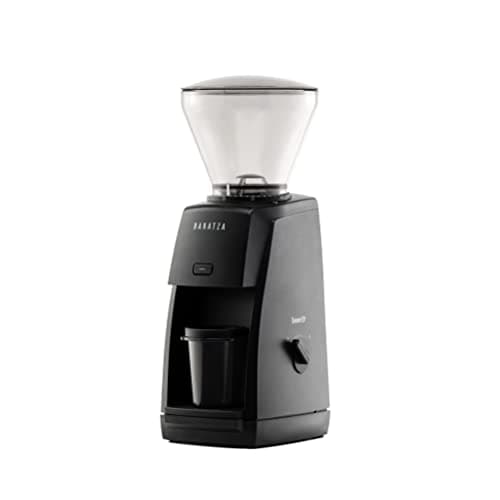 | Espresso, or espresso plus filter | Choose this for espresso | |
| 2 | 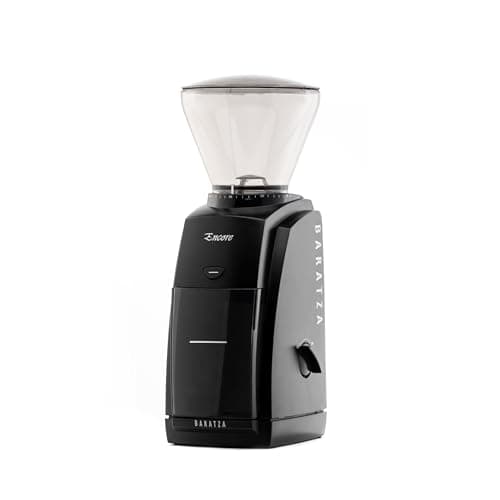 | Pour-over, drip, French press and cold brew | Choose this for filter only |
1. Choose this for espresso
Baratza Encore ESP
Entry tier · The Encore re-geared for espresso: the same 40 mm burrs on a dual-resolution collar.
Twenty microns per click through the espresso range, and 90 microns per click for filter.
The ESP takes the Encore's 40 mm M2 hardened alloy steel conical burrs - made by Etzinger - and puts them on a dual-resolution collar. Steps 1 to 20 move the burrs about 20 microns per click for espresso; steps 21 to 40 move about 90 microns per click for filter.
That is the whole difference, and it is a bigger one than it sounds. A single-resolution grinder has to spread its steps across the full range, which makes the espresso end too coarse to dial with. Splitting the collar solves the problem without a bigger or more expensive burr set.
Burr speed is held at 550 rpm, which keeps heat transfer and static generation down.
Baratza also redesigned the burr housing for this model so the burrs come out easily for cleaning or for shimming - and the shims are included, which tells you the manufacturer expects owners to fine-tune the range.
Specification
- Burrs
- 40 mm M2 steel conical (Etzinger)
- Settings
- 40 stepped, dual resolution
- Espresso range
- Steps 1-20, 20 microns per click
- Filter range
- Steps 21-40, 90 microns per click
- Burr speed
- 550 rpm
What it does well
- 20 microns per click in the espresso range is real dialing resolution
- Redesigned burr housing makes cleaning and shimming easy
- Shims included in the box
Where it gives ground
- Still a stepped grinder - you cannot land between clicks
- Retention is normal-for-the-class, not low
- Same plastic body and noise as the Encore
Skip it if
Skip it if you will genuinely never make espresso. You would be paying for a fine range you never enter.
2. Choose this for filter only
Baratza Encore
Entry tier · The standard entry burr grinder for filter brewing.
Published range 250 to 1200 microns - the coarse end of that is where it excels.
The standard Encore is one of the best-value filter grinders available and has been for years. Forty millimeter conical burrs made in Europe, 40 stepped settings, and a published grind range of 250 to 1200 microns.
That 1200-micron coarse end handles French press and cold brew properly, which many espresso-oriented grinders do badly. The 250-micron fine end is filter-fine - genuinely fine enough for an AeroPress, and not fine enough for espresso.
Burr speed sits at roughly 450 to 550 rpm depending on the version, again to limit heat and static.
The reason it remains the default recommendation is serviceability: Baratza sells parts individually and has done for a long time, so an Encore is a grinder you repair rather than replace.
Specification
- Burrs
- 40 mm conical, made in Europe
- Settings
- 40 stepped
- Grind range
- 250-1200 microns
- Burr speed
- Roughly 450-550 rpm to limit heat and static
What it does well
- The reference answer for pour-over, drip and French press
- Fully serviceable, with parts sold individually for years
- Low burr speed keeps static and heat down
Where it gives ground
- Bottom of its range is too coarse for espresso - that is the ESP model job
- Stepped settings only
- Plastic body and a loud motor
Skip it if
Skip it if espresso is anywhere in your plans. It does not reach espresso fineness, and no technique changes that.
Why the collar matters more than the burrs
This comparison is unusually clean because the burrs are effectively the same component. What changed is the mechanism that positions them, and that turns out to be the thing that decides whether a grinder can make espresso.
Espresso occupies a narrow band of particle size, and the difference between an 18-second shot and a 32-second one can be a few dozen microns of burr gap. A grinder that moves 90 microns per click cannot land inside that band deliberately - it steps over it. Twenty microns per click can.
It also explains why grinders with large step counts are not automatically better. The useful question is always how far the burrs move per step in the range you care about.
Can you convert an Encore into an ESP?
Not meaningfully. Shimming an Encore shifts its whole range finer, which can bring the bottom of the range closer to espresso - but it does so by moving every setting, not by changing the resolution of each click. You end up with a grinder that reaches espresso fineness and still steps over the useful window in large jumps, and you have given up coarse range in exchange.
The ESP's dual-resolution collar is a mechanical redesign, not a calibration, which is why the shims that ship with it are for fine-tuning rather than conversion.
Which one is better for filter?
They are close, with a slight edge to the standard Encore for coarse brewing. The ESP's filter range covers steps 21 to 40 at roughly 90 microns per click, which is comparable to the Encore's stepping - so for pour-over and drip they behave similarly. At the very coarse end, for French press and cold brew, the standard Encore's dedicated range is more comfortable.
If your household brews French press daily and espresso occasionally, that is a real consideration. If it is the other way round, the ESP is unambiguously the right buy.
What neither one is
Neither is a low-retention grinder, and neither is quiet. Both use a plastic body and a loud motor, and grounds will stay in the chute between doses. If those things matter, you are shopping the single-dose tier rather than this one.