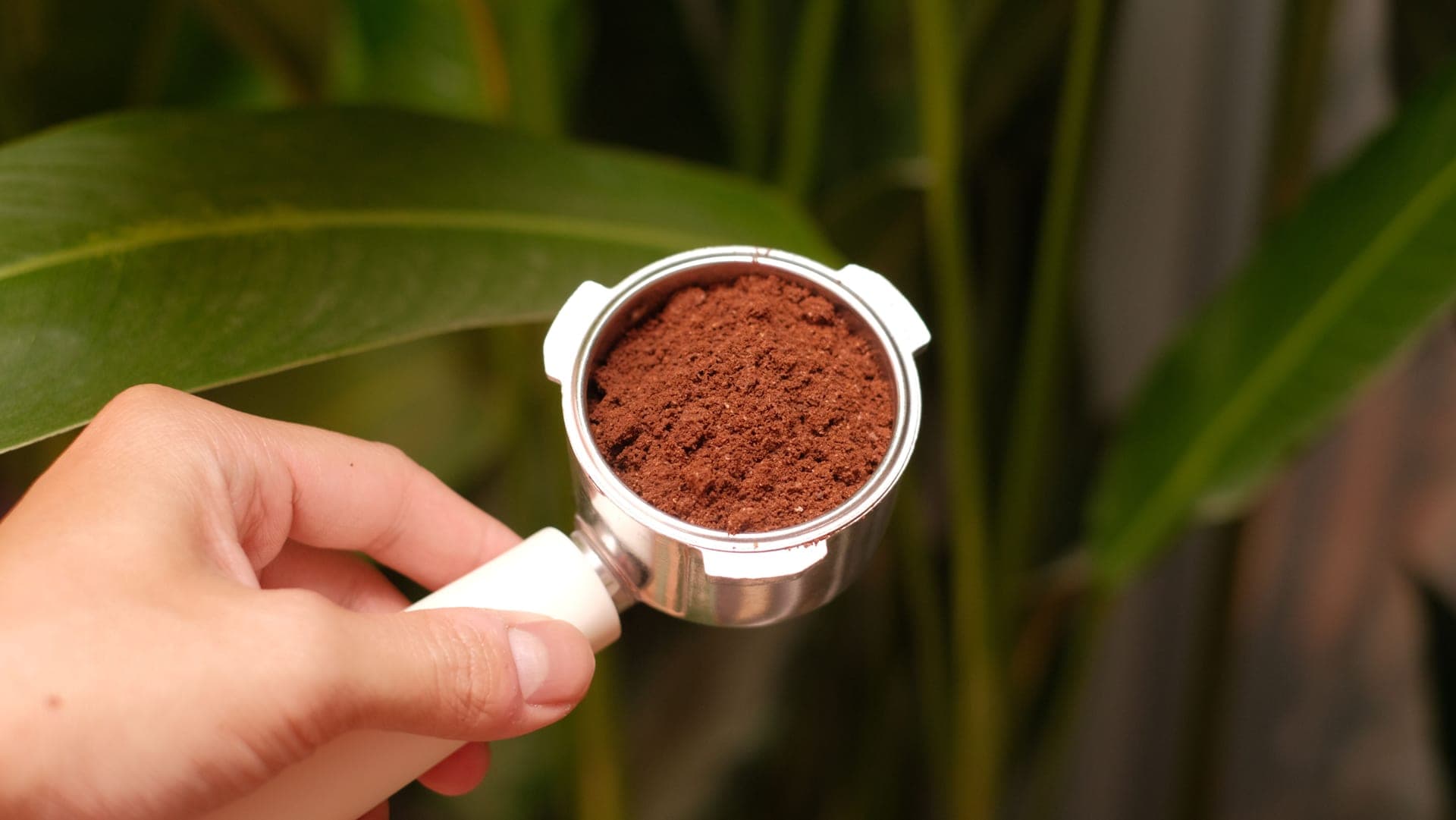
The short answer
Buy the Fellow Opus 2 if you want one grinder that reaches espresso as well as filter. Buy the Baratza Encore if you only brew filter and value a design built to be repaired.
Side by side
Scroll the table sideways to see every column.
Quick picks
The answer first. Tap any row to jump to the full reasoning for that pick.
Prices shown are checked daily against the retailer, as of October 25, 2026. We never write a price into the text of a page.
| # | Product | Best for | Award | Price |
|---|---|---|---|---|
| 1 | 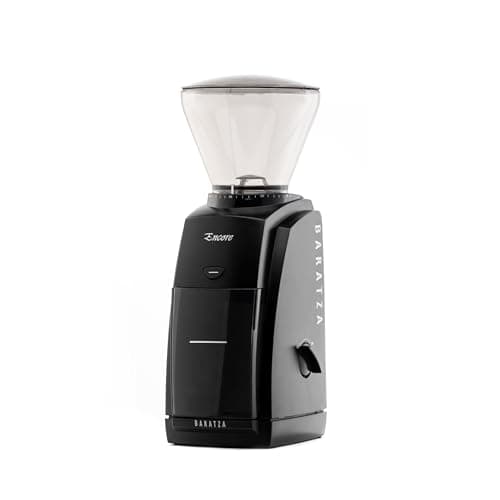 | Drip, pour-over and French press with no espresso plans | Choose this for filter only | |
| 2 | 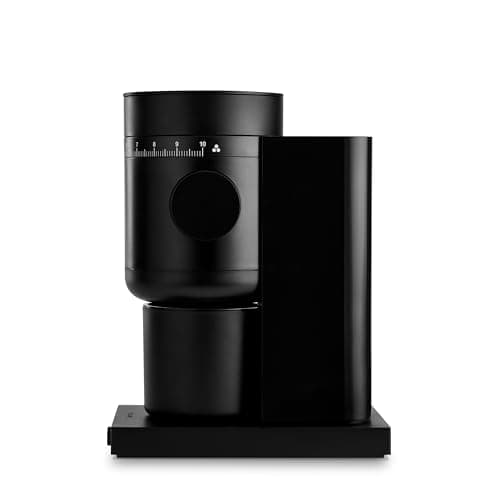 | One grinder for every method, including occasional espresso | Choose this for range |
1. Choose this for filter only
Baratza Encore
Entry tier · The standard entry burr grinder for filter brewing.
A proven filter grinder designed to be repaired rather than replaced.
The Encore's 40 mm conical burrs cover a listed range of 250 to 1200 microns across 40 stepped settings - every filter method, and not espresso.
It is a hopper grinder, so beans can live in it for a daily batch, and its burrs turn slowly - roughly 450 to 550 rpm - to limit heat and static.
The long-term argument is repairability. Baratza sells parts and publishes repair guides, which is rare in this category and means the grinder can outlive several of its competitors.
Its limit is the floor of its range. At 250 microns it does not go fine enough for espresso, and no setting changes that.
Specification
- Burrs
- 40 mm conical, made in Europe
- Settings
- 40 stepped
- Grind range
- 250-1200 microns
- Burr speed
- Roughly 450-550 rpm to limit heat and static
What it does well
- The reference answer for pour-over, drip and French press
- Fully serviceable, with parts sold individually for years
- Low burr speed keeps static and heat down
Where it gives ground
- Bottom of its range is too coarse for espresso - that is the ESP model job
- Stepped settings only
- Plastic body and a loud motor
Skip it if
Skip it if espresso might be in your future. The Encore ESP or the Opus reach the fine end; this does not.
2. Choose this for range
Fellow Opus 2
Mid tier · The Opus rebuilt around 48 mm burrs and a stepless dial, with espresso in range.
Espresso through cold brew on 48 mm burrs, so one grinder covers everything.
The Opus 2 uses a 48 mm stainless conical burr set with a stepless marked dial, and Fellow lists its range as espresso through cold brew.
A 300 W motor clears an espresso dose in about nine seconds, and the 100 g load bin means you grind what you are about to brew rather than keeping beans in a hopper.
The stepless dial is what makes the espresso end usable: the printed marks get you close and you fine-tune between them.
The trade is inherent in the brief. A grinder spanning that much range is not optimized at either end, so it is not the equal of a dedicated espresso grinder or a filter-specific one.
Specification
- Burrs
- 48 mm stainless steel conical
- Adjustment
- Stepless side dial, marked, about 48 settings
- Grind range
- Espresso through cold brew
- Motor
- 300 W; about 9 seconds for an espresso shot
- Capacity
- 100 g single-dose load bin; 100 g catch cup, 30 g espresso cup
- Retention
- Near-zero, with an internal impeller
- Size
- 206 x 130 x 267 mm (8.1 x 5.1 x 10.5 in), 2.3 kg
- Warranty
- 2 years, extendable
What it does well
- 48 mm burrs and a stepless dial at a price where stepped 40 mm is the norm
- Automatic shutoff and near-zero retention make single dosing genuinely clean
- Ships with an espresso dosing cup that fits 54 mm and 58 mm portafilters
Where it gives ground
- Conical burrs, so it trades some clarity for body against a flat-burr grinder
- Stepless with markings still means keeping your own notes for each brew method
- No weight-based dosing - a scale is still part of the routine
Skip it if
Skip it if you only brew filter. A filter-focused grinder serves that better, and the espresso reach goes unused - see grinders for pour-over.
Espresso is the dividing line
The clearest difference is where each range stops. The Encore's listed floor is 250 microns, which ends above espresso. The Opus 2 is published as espresso through cold brew, which reaches it.
If you have any intention of buying an espresso machine, that settles it. If you have none, the Opus's extra range is a feature you pay for and never use.
Hopper or single dose
A hopper grinder holds beans between brews, which is convenient for a daily batch and exposes those beans to air and light. A single-dose grinder takes only what you are about to brew, which keeps beans sealed until use and makes switching coffees trivial.
The Opus 2 is built around single dosing and holds 100 g; the Encore is built around a hopper. Neither approach is wrong - they suit different routines.